The developers of the 860MW Triton Knoll offshore wind farm will no longer need to build an intermediate electrical compound (IEC) as part of the onshore infrastructure for the project in the UK North Sea.
Innogy and Statkraft said that technological advances have meant that the IEC is not required to manage power flows along the onshore cable route.
“Based on technical modelling and subsequent collaboration between the project team and contractors, the IEC has now been designed out of the electrical system altogether and will not be built,” they said.
The IEC was originally planned to be built near Orby in Lincolnshire on 1.8 hectares of land.
The developers added that the removal of the IEC will also reduce the costs of the project.
Project director James Cotter said: “We are so pleased to be able to announce this. It’s great news for local people in Orby; the change in design addresses issues raised during the planning process, and will reduce the overall visual and construction impacts of the project in the local area.
“It’s also great news for UK energy consumers as the removal of the IEC helps the project make significant cost savings which in turn is helping drive down electricity bills.”
The design change will also reduce the level of construction traffic and limits the project infrastructure near Orby to underground cables and joint bays, Innogy and Statoil said.
Earlier this month, the UK government awarded Triton Knoll a Contract for Difference priced at £74.75 per megawatt hour.
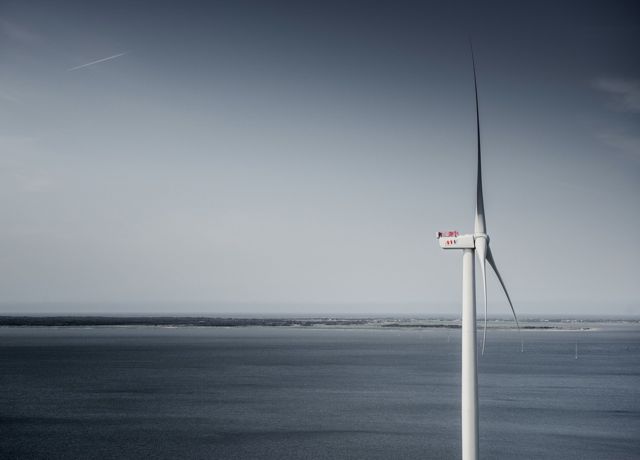
A joint venture of Sif and Smulders will fabricate and deliver foundations for the project’s 90 MHI Vestas V164-9.5MW turbines and two offshore substations.
First power from the project could be delivered by mid-2021.
Image: Triton Knoll will feature MHI Vestas V164-9.5MW turbines (MHI Vestas)