


The UK government has announced financial backing for the fifth annual flagship CfD renewables auction.
Today’s announcement of a budget of £205m for the fifth Contracts for Difference (CfD) allocation round (AR5) will bolster investment into the sector every year, said London.
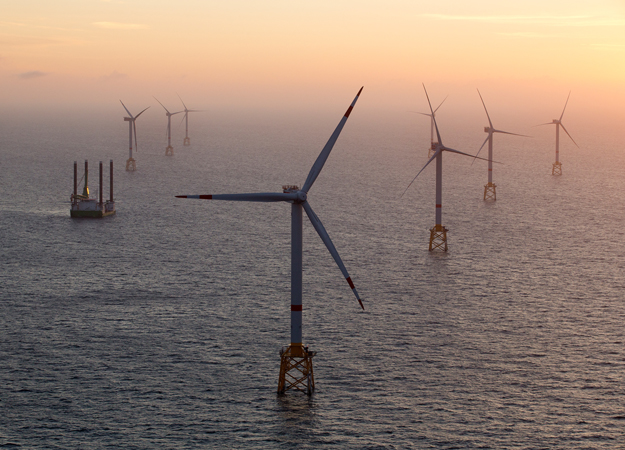
This includes £170m for established technologies such as offshore wind, and a £10m ring-fenced budget available for tidal stream technologies to help unlock the industry in the UK.
It will help to support green energy and jobs of tomorrow, level up Britain, and replace expensive fossil fuels with cheaper, cleaner, domestic sources of energy, stated the government.
The CfD scheme is London’s flagship mechanism for supporting new British low-carbon electricity generation projects, so far awarding contracts to projects totalling nearly 27GW of low carbon capacity.
Minister of State for Energy Security and Net Zero Graham Stuart said: “Our flagship Contracts for Difference scheme is already delivering clean, homegrown energy as well as growing a green economy with green jobs.
“Today’s budget announcement, the move to annual auctions and continued investment in renewable energy will limit the impact of events like Putin’s illegal war in Ukraine and drive our overriding priority for the UK to have amongst the cheapest wholesale electricity prices in Europe.”
Data from Cornwall Insight’s report into capital costs and their impacts on the government’s fifth round of the CfD scheme has shown rising inflation and interest rates, supply chain problems, and labour shortages have increased the weighted average cost of capital (WACC) for renewable projects by about 4% since early 2021.
Developers are becoming increasingly concerned about bidding for projects in the next round of the government’s CfD renewables subsidy scheme, fearing they may not get a return on any investments they make.
Although CfD strike prices have typically fallen, a rising WACC and the subsequent increase in the levelised cost of energy may lead to higher strike prices in the upcoming AR5.
Alongside the concerns for AR5, rising capital costs may also impact the success of projects from previous CfD allocation rounds, which bid in at prices that may no longer be economically viable.