


Orsted has claimed it will be the first energy company in the world to complete a green transformation after meeting its 2025 decarbonisation target with a 98% reduction in carbon emissions.
The Danish utility has said the achievement marks the culmination of its transition from one of Europe’s most fossil-fuel-intensive utilities to a renewable energy major.
According to Orsted, renewable energy now accounts for 99% of its total generation, while its scope 1 and 2 emissions intensity has fallen by more than 98% compared with 2006 levels.
The company has claimed it will therefore become the world’s first energy firm to complete a full transition from fossil fuels to renewable energy.
“Decarbonisation is at the heart of Orsted,” said senior vice president for global stakeholder relations Ingrid Reumert.
“We were founded on a promise to deliver green, affordable, and secure energy to governments around the world, and over the past years, we’ve built 18.5GW of renewable energy.
“In parallel, we’ve delivered on our own green transformation. With a 99% renewable energy share and 98% emissions reduction in line with science, we’re pleased to share that Orsted’s green transformation is effectively complete.”
Reumert said Orsted will now focus on reducing upstream and downstream emissions across its full value chain towards 2040.
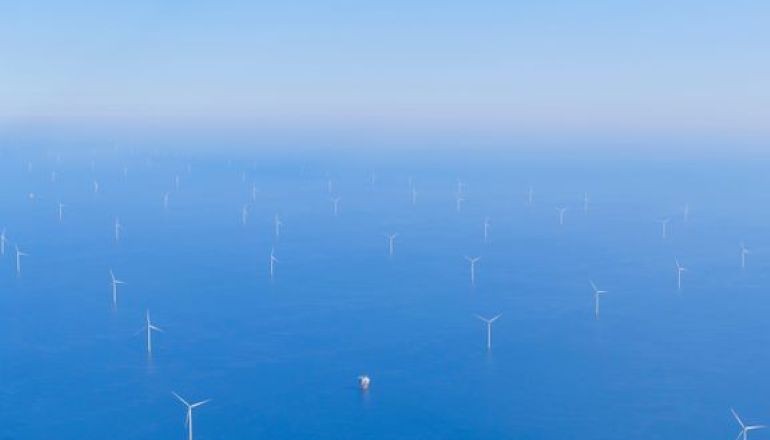
The company has claimed its progress has been achieved through a combination of expanding offshore wind and other renewables, closing coal-fired plants, converting remaining facilities to certified sustainable biomass, divesting oil and gas operations, electrifying its vehicle fleet, and covering its own consumption with renewable electricity certificates.
Orsted said it has established a roadmap to reach its 2040 net-zero target, which includes measures to address remaining emissions from steel, copper, and maritime fuels.
The company has also claimed its announcement comes at a critical moment for climate action as world leaders meet in Brazil for COP30.
“This COP is about action,” Reumert said. “Rapid electrification through renewables is key to meeting climate targets. But in order to scale technologies such as offshore wind, governments need to provide predictability, attractive frameworks and certainty.
“In return, industry can unlock the investments needed to meet governments’ climate targets and help shape a clean, secure and affordable energy future.”
Orsted’s 98% reduction follows a phased transformation that began in 2009 and included the closure of its final coal-fired station in 2024.
The company has said it will continue to collaborate with partners to reduce scope 3 emissions and deliver its Science Based Targets initiative (SBTi)-validated 2040 net-zero goal.