


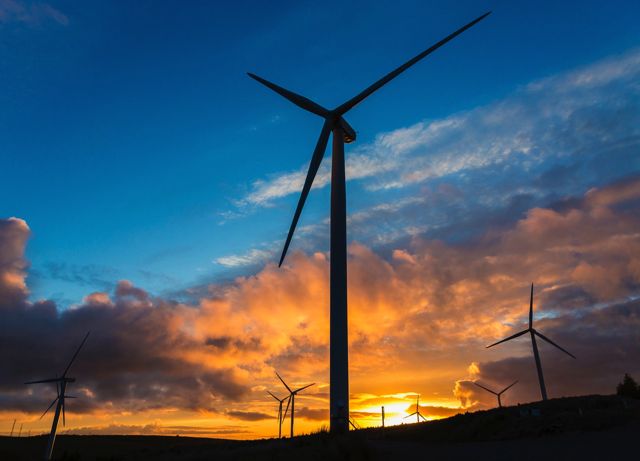
Greencoat Renewables generated 1830GW of electricity in the first half of 2025, a period when wind resource was 15% below budget.
The Dublin-listed company reported gross cash generation of €68.7m, down from €113.6m a year earlier, which equated to dividend cover of 1.8x.
Dividends of 3.41 cents per share were paid or declared for the period, in line with the full-year target.
Net asset value per share was 101.0 cents, reflecting a reduction in P50 wind resource budgets, compared with 110.5c at the end of 2024.
Aggregate group debt stood at €1.35bn, or 54.6% of gross asset value.
Greencoat agreed the sale of a portfolio of Irish assets for €156m at a 4% premium to book value, with proceeds allocated to debt repayment, bringing total accretive disposals to more than €200m.
The company increased its five-year contracted cashflow profile to 76% through to the end of 2029 and extended its revolving credit facility to February 2028.
It also entered into swaps to lock in the cost of debt on Facility A at 3.9% through to October 2030.
Greencoat secured a new 10-year power purchase agreement with Keppel DC REIT, its seventh PPA since launching its re-contracting strategy, covering about 20% of five-year merchant volumes.
Other initiatives included a revised management fee agreement and a secondary listing on the Johannesburg Stock Exchange.
Bernard Byrne was appointed as a non-executive director, bringing financial and commercial expertise to the board.
Chairman Rónán Murphy said: “Gross cash generation amounted to €68.7m, translating to a robust gross dividend cover of 1.8x despite a statistically low-wind year across Northern Europe.
“Deleveraging through NAV-accretive disposals, the extension of our RCF, and the fixing of Facility A at an all in cost of debt of 3.9% through to October 2030, further strengthens our balance sheet and enhances our financial flexibility.”
He added: “The European renewables sector has proven to be resilient, underpinned by binding government commitments to decarbonisation, accelerating corporate demand for clean energy, and the convergence of digital and energy.”