


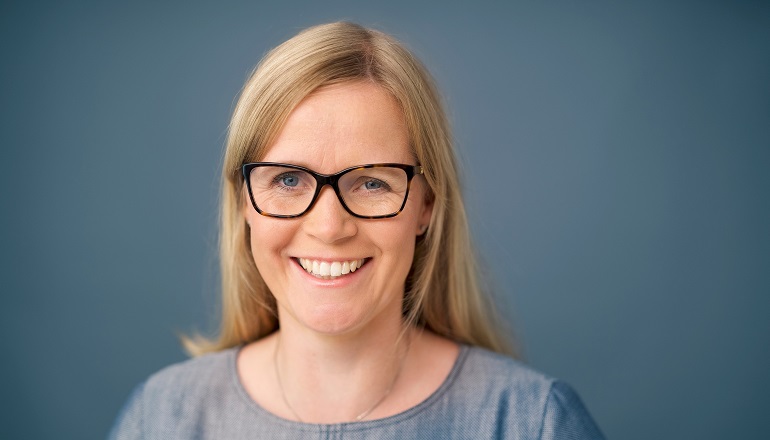
Statkraft will concentrate investment in core technologies and markets across Europe and South America as it seeks to strengthen competitiveness and improve near-term profitability.
The revised strategy, unveiled following Birgitte Ringstad Vartdal’s appointment as CEO last year, focuses on flexible Nordic hydropower, market operations, and renewables including wind, solar and battery storage.
“By concentrating on our core competitive advantages and prioritising investments in near term profitable opportunities, we will be able to continue our growth and value creation,” said Vartdal.
The Norwegian utility plans to invest between NOK16bn and NOK20bn annually in the coming years, with emphasis on hydro capacity upgrades in Norway, onshore wind development in Sweden and Norway, and maintaining existing generation assets.
In Europe and South America, Statkraft will continue expanding its solar, wind and battery pipelines, but at a slower pace than previously expected.
The company has confirmed a halt to new hydrogen development and will withdraw from offshore wind project bidding, including Norway’s Utsira Nord tender. Its North Irish Sea Array project will continue.
Statkraft will also exit development in Portugal and review its solar, wind and battery activities in Poland, although market operations in both countries will remain.
“As we need to prioritise, parts of the portfolio will benefit from getting new owners,” said Vartdal.
The updated strategy aims to reduce complexity and operational cost. Statkraft is targeting annual savings of NOK2.9bn by 2027, a 15% cut compared to 2025 projections. Cost measures, including potential redundancies, will be finalised during the company’s business planning process later this year.
These streamlining moves come alongside previously announced divestments in district heating and biofuels in the Nordics, development businesses in Croatia and the Netherlands, and exit from India.
Vartdal said: “Statkraft needs to adapt to the changing market and increased geopolitical uncertainty. Unfortunately, this also impacts our most important asset: Our people.”
Since 2018, the company has paid NOK59bn in dividends to the Norwegian state and more than doubled its equity value to over NOK300bn.
“As we mark Statkraft’s 130th anniversary this year, we are keeping a long-term perspective,” said Vartdal. “Although the ongoing geopolitical challenges might delay the energy transition, it will not stop it.”