


RWE has said it will reduce its planned investment in clean energy to 2030 by €10bn, due to stricter risk management and higher return expectations.
In its annual results for 2024 the German energy company stated that a total of €35bn net is now planned for the years from 2025 to 2030, about €10bn net less than previously planned.
Investments in new wind and solar farms, energy storage, electrolysers or flexible power plants are made over decades and therefore require stable, reliable framework conditions.
RWE stated it is responding to “regulatory uncertainties, constraints in the supply chain, geopolitical risks and higher interest rates”.
Accordingly, the required rate of return for new projects has been increased from an average of 8% to an average of more than 8.5%.
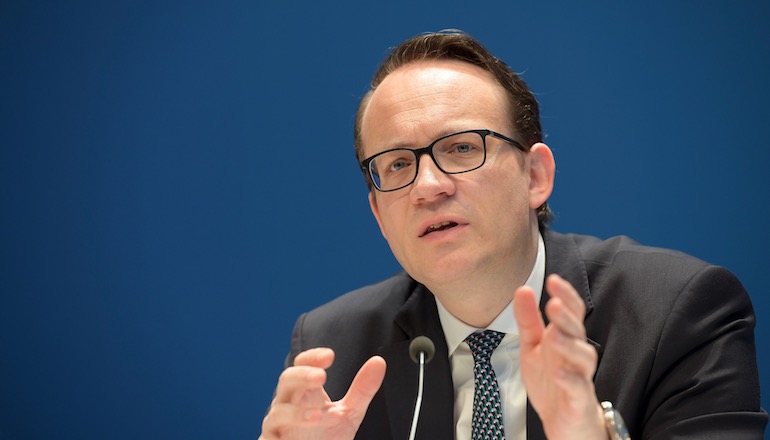
Markus Krebber (pictured), CEO of RWE, said: “Our construction projects, totalling more than 12 gigawatts, are progressing as planned.
“Given higher uncertainties in the investment environment, we have raised the requirements for future investments.
“As a result of stricter risk management and higher return expectations, we will invest less than previously planned through to 2030.
“Nevertheless, we are confirming our financial targets: adjusted earnings per share of €4 by 2030 and an annual increase of the dividend by 5% to 10%.”
Adjusted earnings before interest, tax depreciation and amortisation (EBITDA) in RWE’s offshore wind segment reached €1.6bn in fiscal year 2024, down from €1.7bn in the previous year.
The result was due in part to lower prices than in 2023 for forward sales of electricity for which the company does not receive long-term compensation.
In addition, expenses for the repair and maintenance of the company’s offshore wind assets increased.
RWE’s onshore wind and solar business saw adjusted EBITDA increase to €1.5bn in the 2024 fiscal year, compared with €1.2bn in 2023.
This was mainly due to the commissioning of new wind and solar farms.