


Iberdrola Germany and Schwenk Zement have signed a power purchase agreement (PPA for output from the 300MW Windanker offshore wind farm, under construction in the Baltic Sea.
Around 1500GWh will be supplied to Schwenk, a cement producer, during the contract duration enabling it to cover about 20% of its electricity needs from certified alternative sources, based on current electricity demand.
Thomas Spannagl, CEO of Schwenk Building Materials Group, said: “Our commitment to sustainability is reflected in our continuous efforts to reduce specific electricity demand, improve thermal energy efficiency, and lower CO2 emissions.
“Another important component is the gradual increase in the proportion of green electricity at SCHWENK through our own photovoltaic projects.
“The partnership with Iberdrola is therefore a clear signal towards sustainability, and we are pleased to make a significant contribution to increasing our share of green electricity.”
Felipe Montero, CEO of Iberdrola Germany, added: “Supplying the German industry with green electricity is a central element of our strategy in Germany.
“We are very pleased about this long-term partnership on an equal footing that we are now entering into with SCHWENK.
“In doing so, we are not only cooperating with an important building materials manufacturer, but also with a family business with tradition and a vision for the future.
“In the future, we also want to support other industrial companies in achieving their climate goals.”
Windanker will consist of 21 offshore wind turbines, each with a capacity of 15 MW.
Windanker will be connected to the grid in 2026 and is located approximately 38 km north-east of the German island of Rugen, covering an area of about 17.9 sq km.
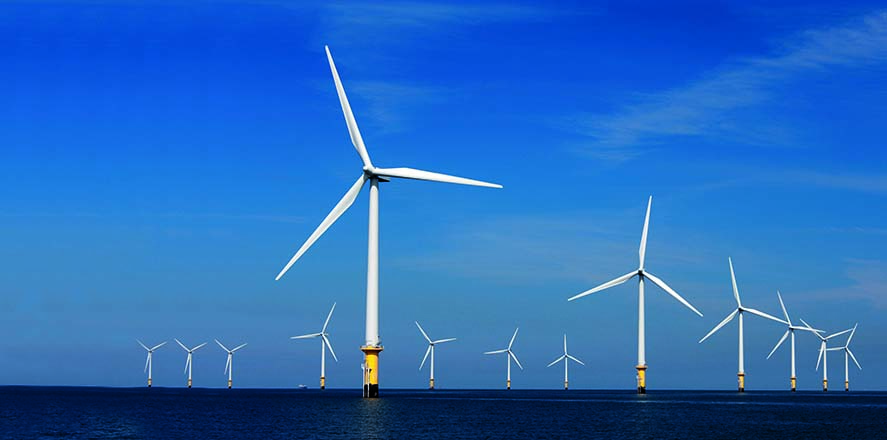
This third offshore wind farm by Iberdrola in the German Baltic Sea follows the projects Wikinger and Baltic Eagle (pictured).
Wikinger has been operational since 2017 and Baltic Eagle, the second offshore wind project off Rugen, is currently being realised.
Together, these offshore wind farms form Iberdrola’s so-called Baltic Hub.
By 2026, this hub will have a total capacity of more than 1.1GW.