


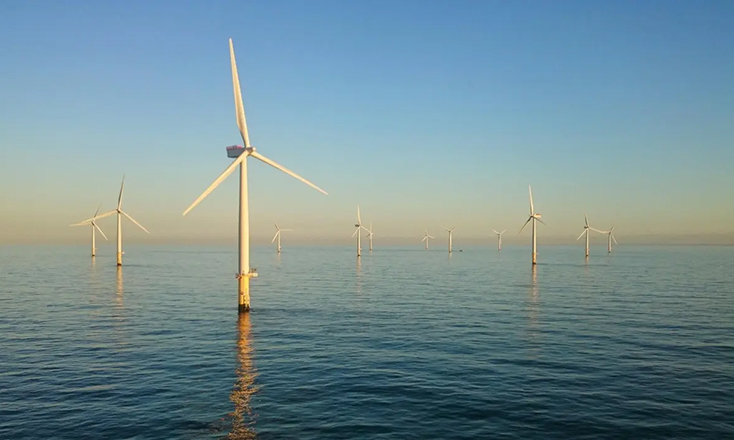
Equinor and Polenergia have signed four agreements for the charter of crew transfer vessels (CTVs) for the construction of the 720MW Baltyk 2 and 720MW Baltyk 3 offshore wind farms in the Polish Baltic Sea.
Each of the project companies MFW Bałtyk II sp zoo and MFW Bałtyk III sp zoo – which are owned 50/50 by the two developers – has inked deals for two vessels.
One is with UK-based Njord Offshore and the other is with Denmark’s Northern Offshore Services.
As part of the agreements, shipowners will charter a total of four CTVs to the design companies supporting the construction of the two wind farms and transformer stations at sea and providing service during the initial period of operation of the projects, including the technological start-up phase (two ships for each of the schemes).
MFW Bałtyk II concluded contracts for a three-year charter period, while the Agreements for MFW Bałtyk III were finalised in the option formula (for a period of three years), which can be executed by this company until 1 September, 2026.
Each of the companies has the possibility of optional extension of contracts for another three years.
Polenergia said the remuneration for the ship charter has been specified in the agreements at a fixed daily rate, taking into account the valorisation.
MFW Bałtyk II estimates the cost of the charter over a three-year period at approximately €13.5m and MFW Bałtyk III at about €13.8m (if it uses the option).
In addition, if the contracts are extended for another three years, the additional remuneration for shipowners is estimated at about €30m combined for both projects.
The expected launch date for the ship charter is the second quarter of 2026 for the Baltyk 2 and the third quarter of 2027 for Baltyk 3.
Polenergia added the contracts contain similar substantive provisions, standard for maritime contracts, including the start date and charter period, the possibility of optional extension of the charter period, liability rules, compulsory insurance, termination rules, including termination fees.
The agreements were concluded under English law, it said.