


Statkraft reported a decrease in underlying earnings before interest and tax (EBIT) in its interim results for the second quarter of 2024.
Underlying EBIT was Nkr4.9bn (€409m) in Q2, compared with Nkr7.4bn in the same period in 2023, while net operating revenues were Nkr11.2bn in Q2 2024, compared with Nkr12.9bn in Q2 2023.
The decrease was primarily due to significantly lower power prices, partly offset by higher power generation, while contribution from trading was lower.
Net profit was negative, impacted by impairments mainly due to local changes in hydrology and lower price expectations.
Power prices fell by 38% in the Nordic region in the second quarter and 46% in Germany compared to the same quarter last year.
Statkraft completed the acquisition of Spanish-based renewable energy company Enerfin for a total consideration of Nkr18bn, adding a portfolio of operating wind farms and wind and solar projects.
As announced earlier, Statkraft plans to divest the Enerfin portfolio in Canada, the US, Colombia, Australia and Chile.
Statkraft signed several power purchase agreements both in Europe and South America, including a new one with Alcoa Norway.
In Q2 wind generation increased to 1.6GW (900MW), while solar and biomass remained at 100MW and hydropower increased to 12.2GW (11.7GW).
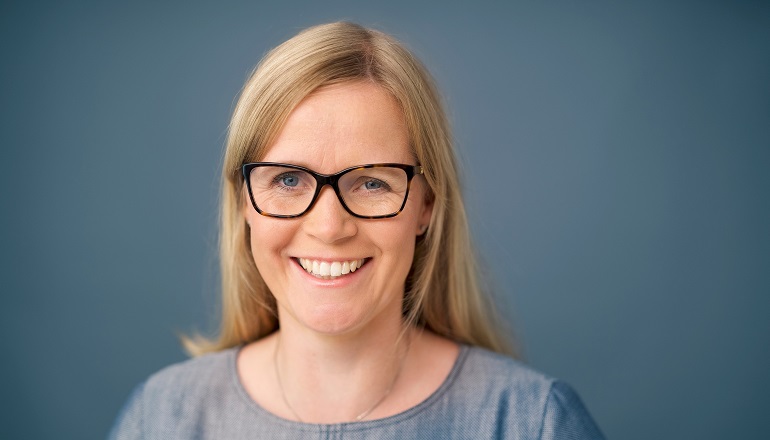
“While our underlying results are robust, continued high business development costs as we are investing in more renewable energy production for the future, reduced financial hedging effects and impairments explains the negative net result,” said Statkraft President and CEO, Birgitte Ringstad Vartdal.
After the completion of the acquisition of Enerfin, Statkraft’s total portfolio of power plants in operation now exceeds 21GW, placing Statkraft among the top 10 wind power producers both in Spain and Brazil.
The acquisition added not only a portfolio of 1.5GW of wind and solar farms in operation and under construction, but also a pipeline of projects under development, taking Statkraft’s flexible portfolio of projects under development to a probability-weighted total of 21GW.
“Coming from a period of extensive project- and business development, it is now time to consolidate and sharpen our focus on delivering and capitalising on the strong pipeline we have developed.
“I am confident that the revised strategy plays to our competitive strengths and helps us manoeuvre the changes in our industry, while also setting us up for continued healthy growth.
“In doing so, we will continue to renew the way the world is powered,” added Ringstad Vartdal.