


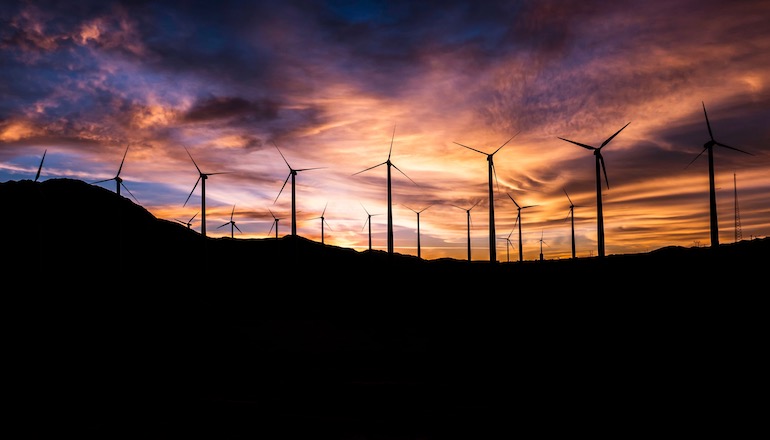
Renewable generation, excluding hydro, was up 13% to a record global high of 4,748TWh in 2023, according to a new report from the Energy Institute (EI) and co-authors KPMG and Kearney.
This growth was driven almost entirely by wind and solar and accounted for 74% of all net additional electricity generated, according to the the Statistical Review of World Energy, presenting for the first time full global energy data for 2023.
As a share of primary energy use, renewables (excluding hydro) were at 8%, or 15% including hydro, it found.
Furthermore, China added 55% of all renewable generation additions in 2023 – more than the rest of the world combined.
It also overtook Europe on an energy per capita basis for the first time, according to the analysis.
Overall, global primary energy consumption overall was at a record absolute high, up 2% on the previous year to 620 Exajoules (EJ).
Global fossil fuel consumption also reached a record high, up 1.5% to 505 EJ (driven by coal up 1.6%, oil up 2% to above 100 million barrels for first time, while gas was flat).
As a share of the overall mix they were at 81.5%, marginally down from 82% last year.
Emissions from energy increased by 2%, exceeding 40 gigatonnes of CO2 for the first time.
EI president Juliet Davenport said: “Energy is central to human progress.
“It is also now central to our very survival. With global temperature increases averaging close to 1.5°C, 2023 was the warmest year since records began, and the increasingly severe impacts of climate change were felt across all continents.
“In this Year’s Statistical Review, we report on another year of highs in our energy hungry world.
“2023 saw record consumption of fossil fuels and record emissions from energy, but also record generation of renewables, driven by increasingly competitive wind and solar energy.”