


More urgent action is required from the Irish government if the country is to meet its 2030 electricity capacity targets and stay within the electricity sectoral ceiling, according to the Climate Change Advisory Council.
The council, which published its annual review of the electricity sector today, has warned that Ireland’s renewable electricity generation remains significantly below the required annual increase necessary to meet growing demand.
The council is calling on the state to rapidly finalise all elements of planning reform to accelerate the deployment of renewable energy generation, with delays and appeals significantly hindering progress.
In addition, the transposition of EU legislation will enable Ireland to avail of flexibility provisions that other European Member States are utilising to roll out renewable projects faster, it said.
Electricity emissions fell in 2023, driven by a notable rise in imported electricity from the UK coupled with a considerable decline in the use of coal for electricity generation, according to the report.
In order to maintain this trajectory the council said it is crucial that the use of coal to generate electricity is stopped by 2025 and that the use of oil is phased out as soon as possible.
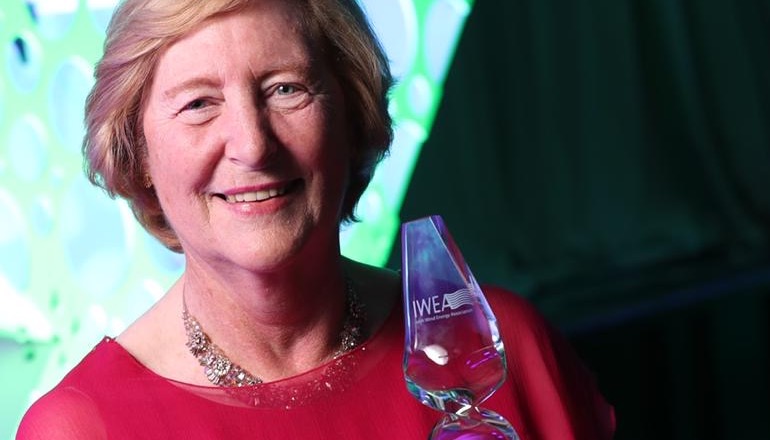
CCAC chair Marie Donnelly said: “The council’s analysis of the electricity sector is a stark reminder of the critical actions that are required to ensure that Ireland stays within its emissions ceiling while providing security of supply for a growing economy.
“2023 saw just 0.6GW of new grid-scale onshore renewable connections, well below the 1.6 GW required annually to meet 2030 targets.
“The government must now move urgently to finalise all elements of planning reform that will help accelerate renewable delivery.
“We have a great opportunity in Ireland to harness our indigenous renewable resources both onshore and offshore, to have control and security over our supply and ensure price stability for consumers while achieving our targets and becoming a world leader in renewable electricity generation.
“Government must show leadership and take the actions required to ensure that Ireland can quickly capitalise on resources that we know are available but cannot come online due to system blockages. We know the potential – we now must have it realised.”