


The first quarter of 2024 saw record renewables generation across the EU, according to data analyst Montel EnAppSys.
Demand totalled 800 terawatt-hours (TWh) in the first three months of this year, 5.2% lower than in the same period in 2022 and 6.3% lower than in Q1 2021.
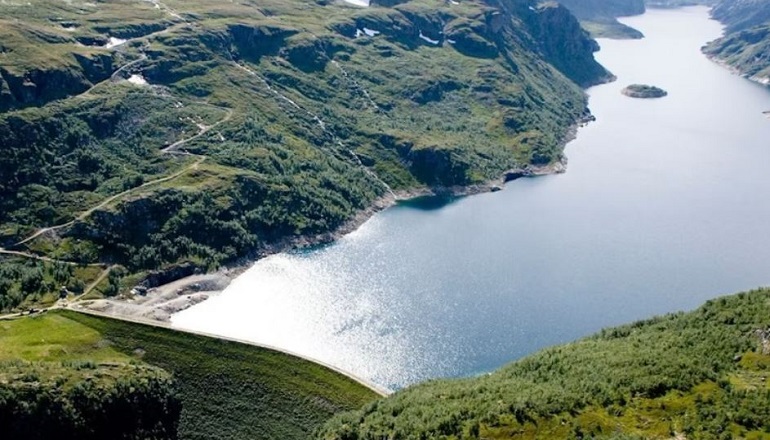
Renewables generation hit a record high of 375.9TWh, exceeding the previous record of 358.4TWh the previous quarter, due mainly to a rise in hydro generation from 126.4TWh in Q4 2023 to 136.6TWh in Q1 2024.
The biggest increase came from France and Norway, with hydro increasing by 3.5TWh and 2.1TWh respectively.
Renewables (biomass, hydro, wind, solar and waste) accounted for 50.1% of overall European power generation in the first quarter of 2024.
Reducing overall demand for electricity highlighted a longer-term trend of demand destruction which started when the pandemic hit in early 2020 and continued as the global energy crisis unfolded.
Wind output in Europe totalled 175.6TWh in the first three months of this year, slightly below the previous quarter (177.4TWh) but still the second highest figure for wind generation on record.
Low demand and high renewables output led to a fall in fossil fuel generation.
The biggest decline came from coal/lignite, which fell to 84.8TWh from 94.1TWh the previous quarter.
Jean-Paul Harreman, director of Montel EnAppSys, said: “Despite electricity and gas prices falling from the peaks of Q3 2022, demand remains down compared to the pre-COVID and pre-energy crisis periods.
“With the weather especially warm by historical standards in some parts of Europe, reduced heating load and low industrial demand have contributed to the continuation of this trend.
“The surge in renewables generation in Q1 was primarily due to an increase in hydro generation.
“Given the time of year, solar output made up a relatively small part of the renewables total (36.5TWh).
“However, although this figure was low compared to hydro and wind, it was still the highest solar output on record for any Q1 period, suggesting that records for solar generation are likely to be broken in Q2 and Q3 when the weather is more favourable.”