


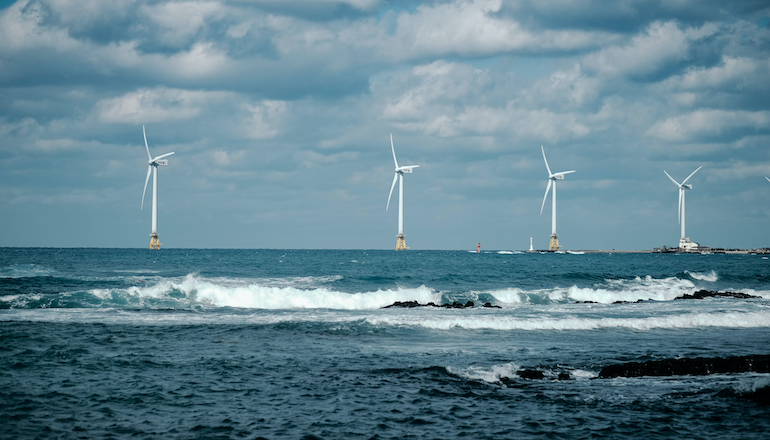
Research into monitoring systems for offshore cables has been chosen for funding through the latest stage of Ofgem’s Strategic Innovation Fund (SIF).
Three projects across National Grid’s electricity transmission and distribution networks have secured almost £400,000 to fund feasibility studies as part of the SIF’s discovery phase, which backs the most promising innovations that could accelerate the net zero transition.
National Grid Electricity Transmission (ET) has been awarded £135,000 for one project – HIRE – that will research new ways to monitor the health of cables in future hybrid AC/DC networks, with a view to spotting issues in offshore links earlier and avoiding unplanned outages.
The project could come up with a new system to overcome current monitoring limitations associated with longer HVDC cable routes, boosting network reliability and ensuring maximum use of clean energy as grids become more and more interconnected using HVDC technology.
National Grid ET will also be collaborating on several other partner-led SIF-funded initiatives, notably with the electricity system operator (ESO) on a £150,000 project to create a model to help better understand the impact of future energy scenarios on the system.
Sean Coleman, Strategic Innovation Fund Manager at National Grid ET, said: “These projects across our networks are exciting additions to National Grid’s wide-ranging innovation portfolio, and are great examples of how we’re thinking ambitiously and collaborating with partners across industry to support Britain’s net zero transition, while keeping costs down for consumers.”
National Grid Electricity Distribution (ED) has been awarded almost £260,000 for two projects.
The Rural Energy and Community Heat (REACH) project aims to help rural communities decarbonise quicker.
Funding worth nearly £117,000 will enable ED to initially understand the priorities of community energy groups and also develop practical solutions so they can access low carbon technologies more quickly than alternative means.
The REACH team will work with innovative suppliers to develop shipping container-sized rural energy centres. These prefabricated units will contain standardised equipment that can be easily sited within communities to enable the connection of heat pumps, electric vehicle chargers and renewable generation.