


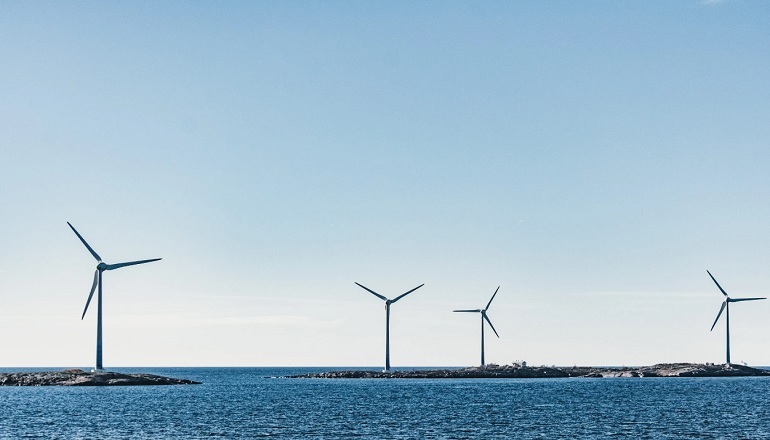
Europe installed 2100MW of new offshore wind in the first half of 2023, bringing its total offshore wind capacity to 32GW.
Over half of this was in the Netherlands with the rest in the UK, Germany and Norway, according to statistics from WindEurope, which also found final investment decisions were taken for a further 5GW after delays in 2022.
This is below the level needed to reach Europe’s energy and climate targets, stated WindEurope, which said the EU should be building on average 11GW a year of offshore between now and 2030.
The industry body said Europe needs to fix its regulations (permitting and market design) to make the business case for such investments.
The EU’s Green Deal Industrial Plan and Net-Zero Industry Act “fall short as they stand” it added.
It also highlighted auction design is another issue, stating governments must allow for cost indexation and avoid uncapped negative bidding.
Governments need to fully index the auction prices to cover inflation between the auction and the actual procurement of equipment.
Offshore wind turbine costs have increased by up to 40% over the last two years and if this goes unrecognised by governments, they will lose projects, said the trade body, referring to Vattenfall’s decision to stop the Boreas offshore wind project in the UK.
WindEurope said: “Governments mustn’t fall for the temptation of uncapped negative bidding – requiring developers to pay however much they can for the privilege of building an offshore wind farm.
“Of the 12GW offshore wind awarded in actions so far this year, 60% has been awarded with uncapped negative bidding.
“But the amounts developers are offering to pay are huge – over €1.5bn per GW in Germany.
“It adds significantly to the costs of building the wind farm and developers will have to pass these costs on to electricity consumers and/or the supply chain, both of which are already struggling.”
The trade body noted that in 2022 there wasn’t a single new investment in large-scale offshore wind in Europe.
Final investment decisions (FID) were delayed as inflation added to project costs and investors were “spooked” by government interventions in electricity markets.
There have been improvements in 2023, it said, with six projects reaching FID for a total of €15bn of investment and 5GW of new capacity.