


The state of Massachusetts has filed for approval its fourth and largest offshore wind solicitation to date, to procure up to 3600MW of energy.
Massachusetts Department of Energy Resources (DOER) and the electric distribution companies (EDCs) jointly filed a draft Request for Proposals (RFP) with the Department of Public Utilities (DPU).
If approved, the draft RFP will invite submittals for offshore wind generation to procure up to 3600MW, which represents 25% of the state’s annual electricity demand.
This is a significant increase over the previous procurement, which sought approximately 1600MW of offshore wind.
This would also be the largest procurement for offshore wind energy generation ever in New England.
In contrast with previous years, this RFP makes clear the weight given to projects with robust economic development proposals that support minority- and women-owned businesses and support for low-income workers, workers of colour, and workers from impacted environmental justice communities.
Projects must also develop an environmental and fisheries mitigation plan that considers commercial, recreational, and indigenous fishing rights.
To ensure low-income ratepayers can gain directly from the transition to clean energy, this draft RFP requires bidders to enter into agreements with DOER and the Massachusetts Clean Energy Center to provide various support for low-income ratepayers.
Additionally, the experience and track record of the bidder will be included in the evaluation to help ensure projects are viable and have a high likelihood of achieving commercial operation to help the Commonwealth meet its clean energy goals and reach emissions limits.
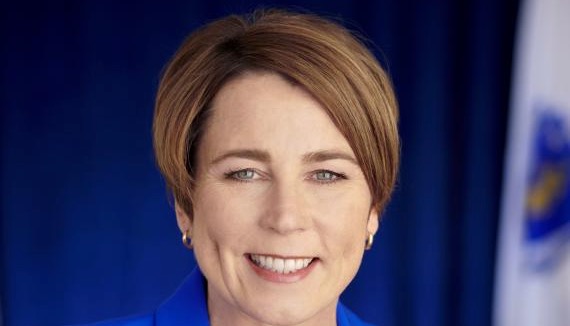
Governor Maura Healey said: “We are excited to announce the first offshore wind procurement of our administration – the biggest in our region’s history.
“This draft RFP is a signal to the rest of the world that Massachusetts is all-in on offshore wind and ready to be the industry’s hub.
“Our proposal is also a commitment to Massachusetts ratepayers to chase after all clean energy for our homes and businesses.”
Under the proposed timeline, bids are due January 31, 2024.
This proposed timeline allows project developers to incorporate several emerging initiatives, including anticipated federal program guidance on tax credits, federal grants for transmission upgrades, and additional coordination with regional state partners.