


The global energy transition is off-track, aggravated by the effects of global crises, and requires $35tn of investment by 2030 to ensure climate targets are delivered upon, according to the International Renewable Energy Agency (IRENA).
IRENA’s World Energy Transitions Outlook 2023 Preview calls for a fundamental course correction in the energy transition.
Investment and comprehensive policies across the globe and all sectors must grow renewables and instigate the structural changes required for the predominantly renewables-based energy transition, it stated.
To keep 1.5°C alive, renewables deployment levels must grow from some 3000GW today to over 10,000GW in 2030, an average of 1000GW annually.
Deployment is also limited to certain parts of the world. China, the European Union and the United States accounted for two-thirds of all additions last year, leaving developing nations further behind.
In the power sector renewables account for 40% of installed power generation globally, contributing to an unprecedented 83% of global power additions in 2022.
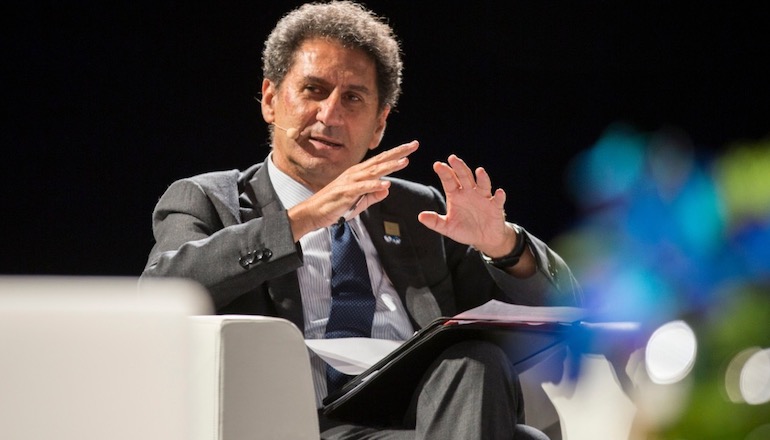
IRENA’s Director-General Francesco La Camera said: “The stakes could not be higher. A profound and systemic transformation of the global energy system must occur in under 30 years, underscoring the need for a new approach to accelerate the energy transition.
“Pursuing fossil fuel and sectoral mitigation measures is necessary but insufficient to shift to an energy system fit for the dominance of renewables.”
“The emphasis must shift from supply to demand, towards overcoming the structural obstacles impeding progress.
“IRENA’s Preview outlines three priority pillars of the energy transition; the physical infrastructure, policy and regulatory enablers and well-skilled workforce, requiring significant investment and new ways of co-operation in which all actors can engage in the transition and play an optimal role.”