


Wind and solar generated a record fifth (22%) of EU electricity in 2022, for the first time overtaking fossil gas (20%), according to the European Electricity Review published by energy think tank Ember.
Coal power share increased by just 1.5 percentage points to generate 16% of EU electricity in 2022, with year-on-year falls in the last four months of 2022 as Europe prevented a threatened return to coal power in the wake of the 2022 energy crisis.
“Europe has avoided the worst of the energy crisis,” said Ember’s head of data insights, Dave Jones.
“The shocks of 2022 only caused a minor ripple in coal power and a huge wave of support for renewables. Any fears of a coal rebound are now dead.”
The analysis by Ember reveals that Europe faced a triple crisis in the electricity sector in 2022.
Just as Europe scrambled to cut ties with its biggest supplier of fossil gas, it faced the lowest levels of hydro and nuclear in at least two decades, which created a deficit equal to 7% of Europe’s total electricity demand in 2022.
Record growth in wind and solar helped cushion the hydro and nuclear deficit.
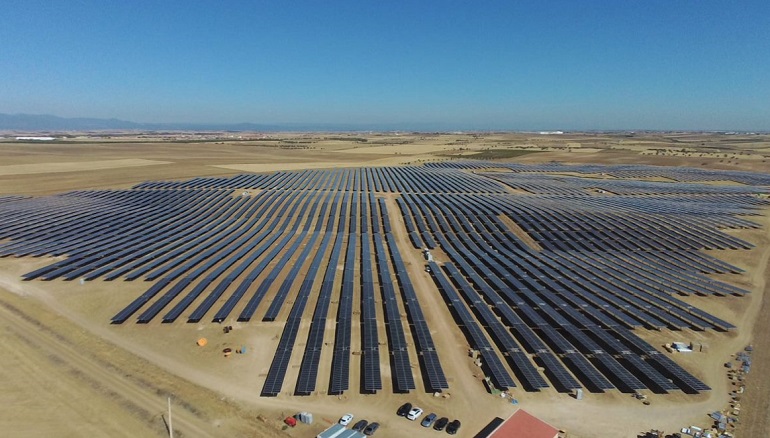
Solar generation rose the fastest, growing by a record 24% in 2022-almost twice its previous record-which helped to avoid €10bn in gas costs.
Twenty EU countries set new solar records in 2022.
Lower electricity demand also helped reduce the deficit.
EU electricity demand dropped by 7.9% in the last quarter of 2022 compared to the same period the previous year.
Mild weather was a deciding factor, but affordability pressures likely played a role, alongside energy efficiency improvements and citizens acting in solidarity to cut energy demand in a time of crisis.
Just one sixth of the nuclear and hydro deficit was met by coal. Coal generation rose by 7% (+28 TWh). As a result, EU power sector emissions rose by 3.9% (+26 MtCO2) in 2022 compared to 2021.
Wind, solar and a fall in electricity demand prevented a much larger return to coal, which remained below 2018 levels and added only 0.3% to global coal generation.
Gas generation was almost unchanged (+0.8%) in 2022 compared to 2021, despite record-high prices.
Fossil gas generated 20% of EU electricity in 2022, up from 19% the previous year. However, this trend is “expected to change drastically” in the coming year.
The latest indications from industry suggest that in 2023, Europe’s transition to wind and solar will accelerate in response to the energy crisis and hydro and French nuclear will recover.
As a result, Ember estimates that fossil generation “could plummet by 20%” in 2023, double the previous record from 2020.
Coal generation will fall, but gas generation, which is expected to remain more expensive than coal until at least 2025, will fall the fastest.