


Rising electricity demand over the next three years could result in additional market volatility and continued high emissions, according an International Energy Agency (IEA) report released today.
The semi-annual ‘Electricity Market Report’ report said that global electricity demand surged 6% in 2021, creating strains in major markets, pushing prices to unprecedented levels and driving the power sector’s emissions to a record high.
Demand was driven by the rapid economic rebound, and more extreme weather conditions than in 2020, including a colder than average winter.
The increase of over 1500 terawatt-hours was the highest in percentage terms since 2010, IEA said.
It added that the increase in demand outstripped the ability of sources of electricity supply to keep pace in some major markets, with shortages of natural gas and coal leading to volatile prices, demand destruction and negative effects on power generators, retailers and end users, notably in China, Europe and India.
Electricity produced from renewable sources grew by 6% in 2021, but it was not enough to keep up with galloping demand.
Coal-fired generation grew by 9%, serving more than half of the increase in demand and reaching a new all-time peak as high natural gas prices led to gas-to-coal switching.
Gas-fired generation grew by 2%, while nuclear increased by 3.5%, almost reaching its 2019 levels.
In total, carbon dioxide emissions from power generation rose by 7%, also reaching a record high, after having declined the two previous years.
Around half of last year’s global growth in electricity demand took place in China, where demand grew by an estimated 10%.
China and India suffered from power cuts at certain points in the second half of the year because of coal shortages, the report said.
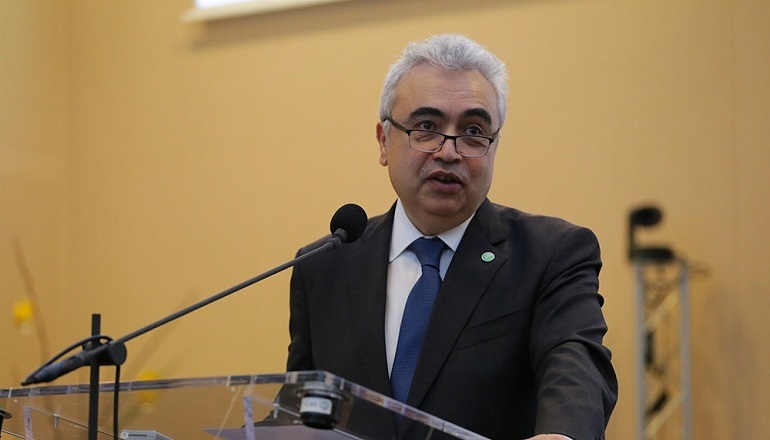
IEA executive director Fatih Birol (pictured) said: “Sharp spikes in electricity prices in recent times have been causing hardship for many households and businesses around the world and risk becoming a driver of social and political tensions.
“Policy makers should be taking action now to soften the impacts on the most vulnerable and to address the underlying causes.
“Higher investment in low-carbon energy technologies including renewables, energy efficiency and nuclear power – alongside an expansion of robust and smart electricity grids – can help us get out of today’s difficulties.”
The IEA’s price index for major wholesale electricity markets almost doubled compared with 2020 and was up 64% from the 2016-2020 average.
In Europe, average wholesale electricity prices in the fourth quarter of 2021 were more than four times their 2015-2020 average.
Besides Europe, there were also sharp price increases in Japan and India, while they were more moderate in the United States where gas supplies were less perturbed.
IEA projects electricity demand for 2022-2024 growing 2.7% a year on average, although the Covid-19 pandemic and high energy prices bring some uncertainty to this outlook.
Renewables are set to grow by 8% per year on average, serving more than 90% of net demand growth during this period.