


Acceleration of the Scottish planning process has emerged as the main concern of industry at Scottish Renewables’ annual offshore wind conference.
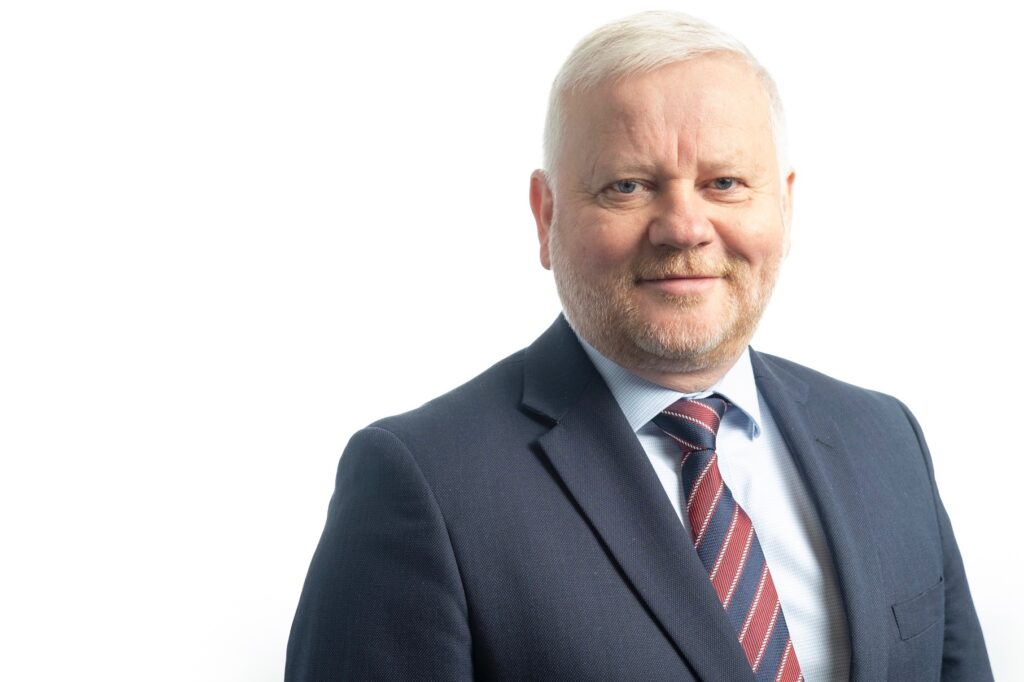
SSE Renewables managing director Jim Smith told the virtual conference that the offshore project pipeline in Scotland was “quite mind-blowing”, but that projects need to be consented quicker if the country is to meet its net-zero targets.
“If we really want to grasp this opportunity to the full, we need to bring these projects from inception to construction far quicker. We can’t afford to wait a decade”, Smith added.
Ocean Winds managing director Dan Finch noted that a slow consenting process was linked to the lack of supply chain opportunities, and that a higher volume of consented projects would mean more jobs.
He expressed his disappointment that Scotland had only achieved a fraction of the 10GW of offshore capacity which had been expected to be online by the end of the 2010s.
He said: “If Scotland is going to make the most of this opportunity and get the jobs it seriously needs we must move forward with projects as quickly as possible.”
“Agencies involved in planning like Marine Scotland and NatureScot must be given the proper resource in order to meet net-zero in the timeframe set out.” Finch added.
Developers also pointed to “high” and “volatile” charging costs as a turn-off when scoping Scottish projects, which pay more for grid connection than those in other parts of the UK.
But Total vice president of offshore wind Olivier Terneaud said that concerns about grid charging costs had been balanced somewhat by the decision not to turn the ScotWind leasing round into an open auction.
He said this gave Scottish offshore projects a competitive advantage over those in the rest of the UK, where seabed licenses are more expensive.