


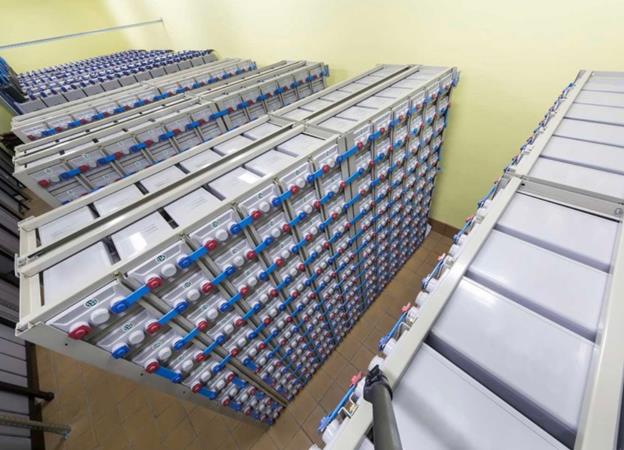
A new market mechanism is needed to unlock investment in a range of longer-duration energy storage technologies in the UK, according to a new report from the Association for Renewable Energy and Clean Technology (REA).
Otherwise, future longer-duration energy storage needs will be left unmet without significant change, the report found.
The ‘Longer-Duration Energy Storage: The missing piece to a Net Zero, reliable and low-cost energy future’ report estimates that the UK will need at least 30GW of longer-duration energy storage by 2050.
The report concludes that this target is currently undeliverable based on the present market and regulatory framework.
REA’s analysis found that an Income Floor would be the best market mechanism for supporting this category of storage, but that a Regulated Asset Base model could be a suitable alternative.
Highlighted barriers included the relatively short length of contracts for capital intensive projects and a ‘salami sliced’ procurement of services.
While welcoming the Government’s announcement of a £68m demonstration competition for first of a kind energy storage projects, the REA say that this will not resolve the barriers to deployment that affect all longer-duration energy storage technologies.
REA director of policy Frank Gordon said: “Longer-duration energy storage will be vital to supporting our grid through the energy transition in the drive to net zero.
“However, as our report shows, we are a long way from meeting our targets on current trends.
“While I welcome the government’s announcement of a £68m demonstration competition for first of a kind energy storage projects, this will not resolve the barriers to deployment that affect all longer-duration energy storage technologies.
“It’s clear that, in order to drive investment in this area, a new market mechanism is needed.
“We see an income floor as the most appropriate option, however with a Regulated Asset Base model being the next best alternative.
“We will work with BEIS to push for change in this area and hope they respond by issuing a Call for Evidence alongside the Smart Systems & Flexibility Plan update.”
Drax Group CEO Will Gardiner added: “Britain’s pumped hydro storage stations have never been more important to the country’s decarbonisation.
“They play a vital role in keeping the grid stable and enabling more wind power to come online.
“Flexible and responsive power generation and storage capacity from pumped hydro projects like Cruachan are essential for delivering the UK Government’s net zero by 2050 target.
“With the right support framework from Government a new generation of pumped hydro storage power stations can be built, supporting new jobs and helping the country decarbonise faster.”