


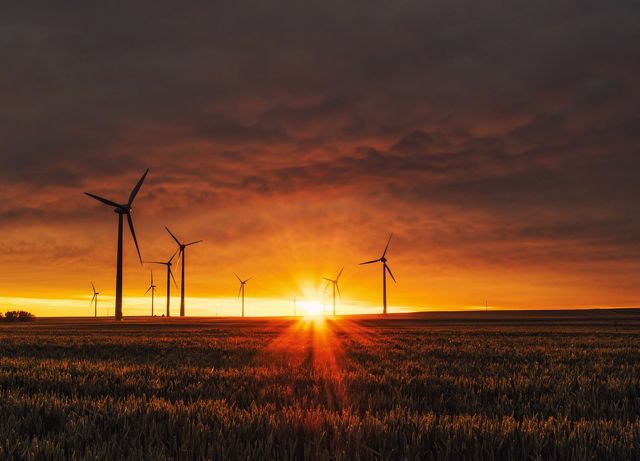
Meridian Energy has announced it is soon to start construction of a new 176MW wind farm in New Zealand.
It is hoped the creation of $395m Hawke’s Bay project will boost New Zealand’s ability to take action on climate change and accelerating the transformation of the economy to clean energy sources.
The Harapaki Wind Farm will be New Zealand’s second largest with 41 Siemens Gamesa SWT-DD-120 4.3MW wind turbines generating enough to power over 70,000 average households.
The construction will take around three years and is expected to create 260 new jobs.
Meridian Energy chief executive Neal Barclay said the decision to commence construction now is a sign of confidence that clean energy infrastructure can deliver strong economic benefits.
He said: “Renewable generation is an engine of economic growth for New Zealand.
“There’s a massive clean energy transformation underway in the New Zealand economy and now is the time to tackle climate action to support Aotearoa accelerate its transition away from fossil fuels.
“We need to move faster to convert our fossil fuel industries to clean energy, convert our transport fleet to electricity and ensure every new industrial development is powered by clean energy.”
Barclay added that New Zealand will need to build more grid-scale wind generation every year to reach its international and domestic emissions targets and meet demand as transportation and industry move from fossil fuels to clean energy.
He said: “Recent advice from He Pou a Rangi, the Climate Change Commission, clearly signals that New Zealand must ambitiously pursue bold climate goals to achieve net-zero emissions, and this is what getting there looks like.
“Building more new renewable generation like Harapaki will help us lower emissions, reduce our reliance on fossil fuels and speed up our transition to a productive low carbon economy.”
Meridian currently has five wind farms in operation around New Zealand.
Barclay says Harapaki will use advanced wind generation technology from Europe to set new benchmarks for turbine efficiency and sustainable construction practices.
Design reviews have lowered the amount of concrete and steel needed in construction, reducing the overall carbon footprint of the project by over 30%.
Barclay said: “Our vision is for Harapaki to be New Zealand’s most sustainable wind farm and one that delivers transformative economic growth and advances our goals for climate action.”