


Enel Green Power and train company FNM have signed a memorandum of understanding (MoU) to study and identify the best way of supplying green hydrogen to an Italian railway project.
The Lombardy-based H2IseO project, promoted by FNM in collaboration with Trenord, will allow the first Italian “Hydrogen Valley” to be born in Lombardy, in particular in Sebino and Valcamonica.
The MoU provides for the creation of a joint working group that will have the task of identifying and proposing the most suitable solutions for the purpose.
Among the main points of the project are: the purchase of new hydrogen-powered trains, which will serve the non-electrified line from 2023 and the construction of plants for the production of hydrogen powered by renewable energy, initially intended for the new trains.
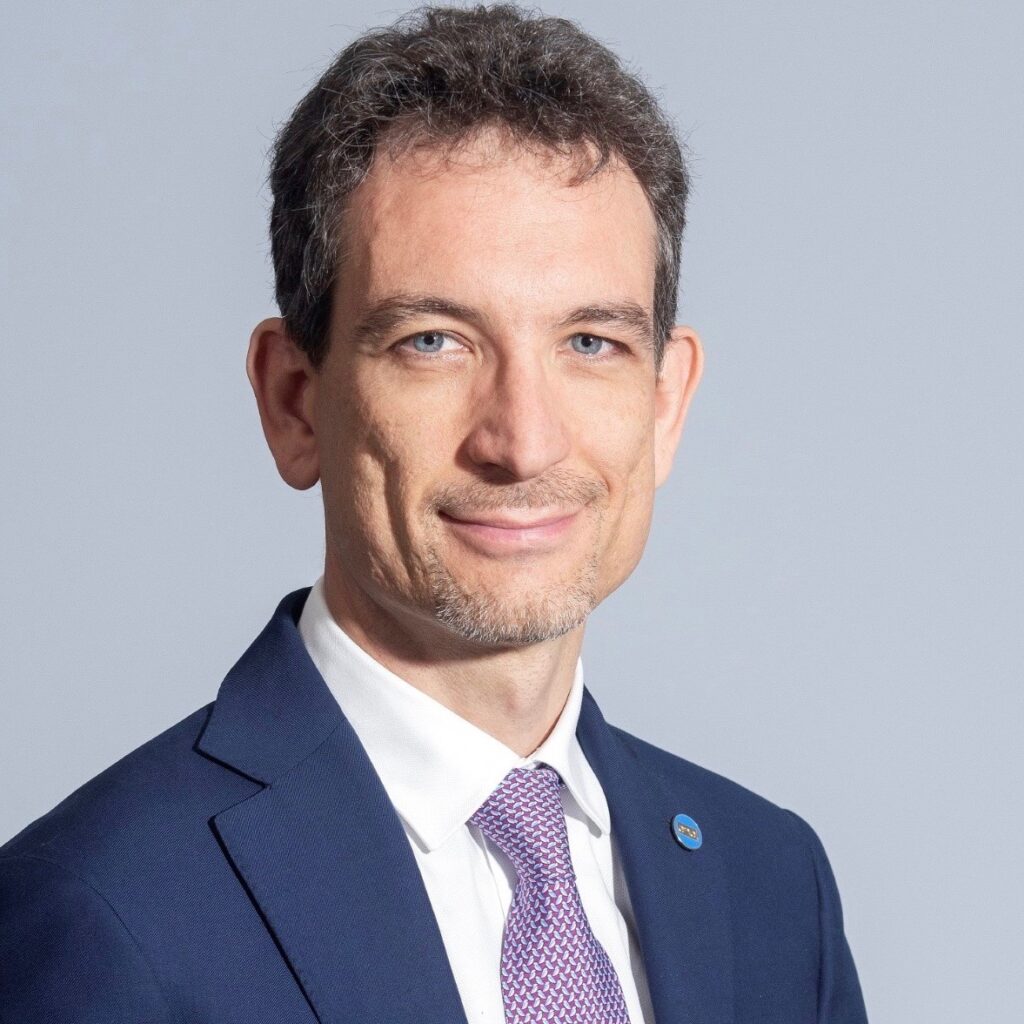
Enel Green Power chief executive Salvatore Bernabei (pictured) said: “Thanks to this memorandum of understanding, the commitment of the Enel Group in promoting the development of green hydrogen is developed for the first time in the non-electrified railway transport sector.
“We are constantly looking for collaborations to identify the best applications of green hydrogen and thus contribute to the decarbonisation process of our economies.”
President of FNM Andrea Gibelli added: “One of the most significant characteristics of the guidelines of our new Strategic Plan – explains the president of FNM Andrea Gibelli – is mobility with zero environmental impact.
“The project for the creation of the first Italian Hydrogen Valley goes exactly in this direction and is part of a broader strategy that aims to create mobility services created according to criteria of environmental, economic and social sustainability.
“In the H2IseO project, we plan to extend the hydrogen solution to road transport by 2025, starting from the approximately 40 vehicles managed in Valle Camonica by FNMAutoservizi (a 100% FNM company).
“Sebino and Valle Camonica present the right conditions for the use of hydrogen, with the involvement of the whole territory as a whole, in a logic of supply chain and circular economy.
“The strong component of innovation that characterizes the H2IseO project, the first example of total decarbonisation of local public transport, makes it a candidate to become a model to be replicated in other areas of the country.”