


Lightsource BP has completed construction and grid-connected its 260MW Impact solar farm near Dallas in the US state of Texas.
The project represents an investment of $250m, with 320 workers on site during construction of which 84% were local hires, the company said.
BP senior vice president, gas & power trading Americas Orlando Alvarez said: “The Impact solar project in Texas is one of the many ways we are turning our net zero ambition into action.
“This is a great example of how we are increasing our low carbon investment while leveraging bp’s expertise in the energy markets by trading the electricity generated from the project.”
Lightsource BP chief executive of the Americas Kevin Smith said: “This project in Texas is a great example of how our joint venture with BP is furthering our shared mission to accelerate the implementation of solar.
“Since BP’s initial investment in the company in 2017 and our subsequent expansion into the US, the team has developed a pipeline of 8GW of large-scale solar projects at various stages of development in 20 states across the US – with more than 2GW of executed power contracts representing almost $2bn in near term projects.”
The Impact project is built on land that is leased to Lightsource BP from local landowners, providing families with a diversified source of reliable income for 25 or more years, and helping keep the land in the family for generations.
For many farmers, the revenue from leasing a portion of their land for solar as a new type of crop can help them continue with their farming business, the company said.
Landowner Gerald Cooper said: “With ranching or farming, there’s no guarantee of income. You make your own cheque out of dirt.
“With solar, you’re guaranteed a cheque at the end of the year.
“I still enjoy farming, but solar has allowed me to enjoy it more because I don’t have the dread of the market dropping or of drought, which has been our biggest challenge.”
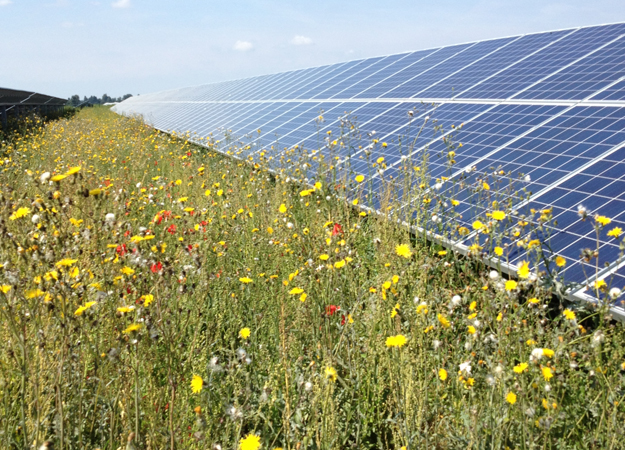
Lightsource BP will boost biodiversity around the site by planting wildflowers to support bees and other pollinators, creating bird and bat shelters, and providing habitat for reptiles and amphibians.