


RWE is to develop a 100MW electrolyser plant project to produce green hydrogen to supply a German steel mill.
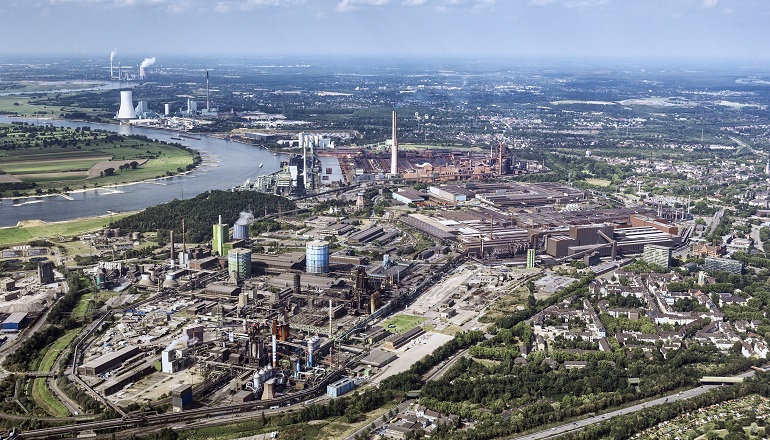
RWE has signed an agreement with Thyssenkrupp Steel Europe to develop the plant in Lingen that will produce hydrogen for the producer’s Duisburg steel mill.
The green hydrogen will be used for pig iron production.
The companies have agreed that only electricity from renewable energy sources will be used to supply the electrolyser facility.
A 100MW electrolyser, which will be built in 2022, can produce 1.7 tonnes of hydrogen gas per hour, which is equal to 70% of the requirements of the blast furnace at the Duisburg steel plant and an annual supply of 50,000 tonnes of climate-neutral steel.
RWE and Thyssenkrupp Steel Europe will establish network connections with gas network operators and relevant authorities based on their understanding that hydrogen transport via pipelines will be possible due to adaptation of natural gas transportation regulations.
The GETH2 initiative, in which RWE is involved, is already campaigning for such solutions.
RWE Generation chief executive Roger Miesen said: “Hydrogen is a central building block for greenhouse gas reduction in Germany.
“The National Hydrogen Strategy and the funds of €9bn that are to be made available give this future technology the necessary impetus.
“In order for a hydrogen infrastructure to really pick up speed in Germany, rapid implementation is now required. Because investment decisions in green hydrogen projects need planning security.”
Thyssenkrupp Steel chief executive Bernhard Osburg said: “The planned cooperation with RWE is an important step on our path to climate neutrality.
“The target delivery volume would already be sufficient to supply a blast furnace with green hydrogen and would enable the production of climate-neutral steel for around 50,000 cars per year.
“We are showing that climate-neutrality in steel is possible and we are pushing the pace when we change our production. Nowhere can hydrogen be used with a climate protection effect comparable to that of steel. We therefore welcome the adoption of the National Hydrogen Strategy.”
Thyssenkrupp Steel’s aim is to be climate-neutral by 2050, which will require 750,000 tonnes of hydrogen annually.
To produce the hydrogen on a climate-neutral basis, large volumes of renewable electricity will be needed, equivalent to the annual output of over 3000 wind turbines.