


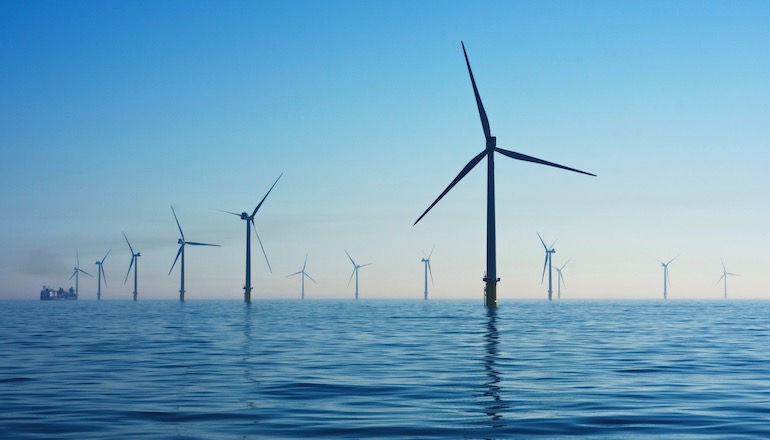
Offshore wind capacity could grow to as much as 200GW of operational capacity by 2030, according to a new report by the Energy Industries Council (EIC).
EIC said in the ‘Global Offshore Wind 2020’ report that an increased awareness of the risks and effects of climate change is likely to lead to a greater focus on decarbonisation efforts in the supply chain and means of component production.
Forecasts on the operational capacity by 2030 range from 164GW to 200GW, it added.
Other drivers of growth could be cross-sector and sector coupling, particularly around decarbonisation of offshore oil and gas platforms and the production of ‘green’ hydrogen via electrolysis using offshore wind, the report said.
The report provides an overview of the latest trends, technologies and processes across the global offshore wind sector, in addition to an in-depth look at projects and developments.
It also warned that as more projects are added to the pipeline, concerns have been raised on the supply chain’s ability to meet global demand, particularly for vessels, skilled labour and fabrication shipyards.
The next few years could see important discussions on future supply chain engagement, effective project execution and whether the existing frameworks for offshore wind development remain fit-for-purpose, it added.
EIC senior analyst and report author Lara Juergens said: “The sector is expected to see strong growth throughout the next decades, not only in existing ‘mature’ markets, but equally in emerging ones.
“Examples of countries that have gained significant interest from developers and the supply chain alike in 2019 are Poland, Japan, Vietnam and Ireland.”