


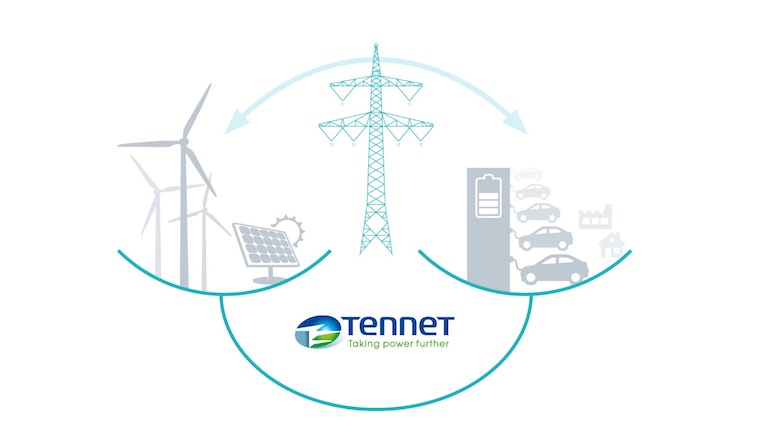
Dutch-German transmission system operator TenneT and German car maker BMW Group have piloted a project to show how charging of electric cars can be adjusted to the utilisation of capacity in the grid and the availability of renewable energy.
BMW made use of intelligent charging and interconnected electronics in the pilot cars to register and process signals from TenneT about imminent network overload.
This temporarily interrupted the charging of certain BMW i3s and the released electricity was used by TenneT to tackle the grid congestion and avoid the use of conventional, fossil power power.
TenneT said that due to the increasing decentralised electricity supply in Germany, grid congestion is increasing.
To prevent such congestion, the TSO intervenes in energy production to ensure that the transmission of electricity fits in with available grid capacity.
In 2018, the costs of this intervention were approximately €1.4bn in Germany, TenneT said.
The costs are ultimately borne by the electricity consumers via the network rates.
“As the energy transition progresses, new forms of flexibility such as electric transport must take over the tasks of conventional power plants,” the TSO added.
TenneT and BMW’s pilot project is one of several decentralized forms of flexibility being test to stabilise the grid, the companies said.
TenneT chief operating officer Tim Meyerjurgens said: “If we digitally integrate electric cars into the electricity grid, the charging processes can be tailored to both driver mobility needs and grid stability requirements.
“In this way, intelligent charging can help prevent congestion in the electricity grid and at the same time guarantee priority for green energy.
“We are opening up new possibilities for flexible management of highly weather-dependent, sustainable electricity production.
“This reduces the load on the electricity grid, so that intelligent charging of electric cars can complement the planned grid expansions and thus become one of the components of the energy transition.”