Renewable energy installations in Germany fed some 117bn kilowatt-hours of green power to the grid in the first half of 2018, up 10% year on year, according to the federal environment agency UBA.
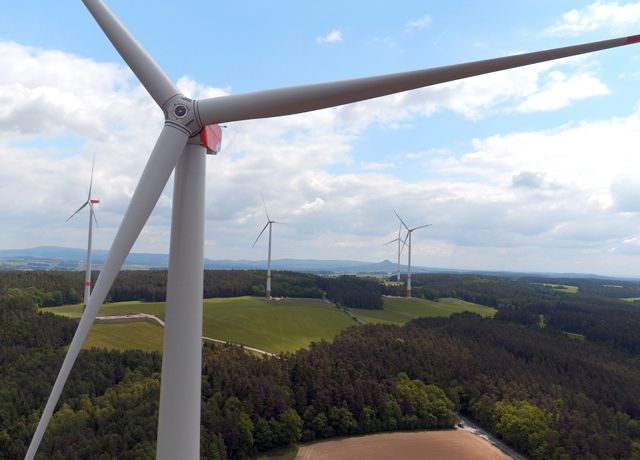
Wind energy installations delivered some 57bn kWh or close to 50% of the green electricity produced in the first half of the year, followed by photovoltaics with 24bn kWh.
Biomass and biogenous waste installations fed some 26bn kWh to the grid while hydropower contributed 10bn kWh hours.
Some 1633MW of onshore wind turbines were installed in the first six months of 2018, around 30% less than in the first half of 2017 when 2243MW went online.
In 2017, however, Germany overshot the government’s 2.8GW target and installed 5GW of onshore wind. No new offshore wind turbines were registered with Germany’s grid regulator in the first half of 2018.
The addition of 1359MW of new PV installations in the first half of 2018 was 58% above the 859MW installed in the same period last year.
In the light of the Berlin’s new 2030 goal of reaching a 65% renewable energy share in the electricity mix, the government should offer some 4GW of additional capacity in the short term for onshore wind and solar power as pledged in its coalition treaty, the agency said.
Germany should aim at a gross expansion of 4.5GW onshore wind per year in the long term, expand the grid, and exit coal, the agency added.
Image: Trianel
Renewables up 10% in Germany
 By EBS