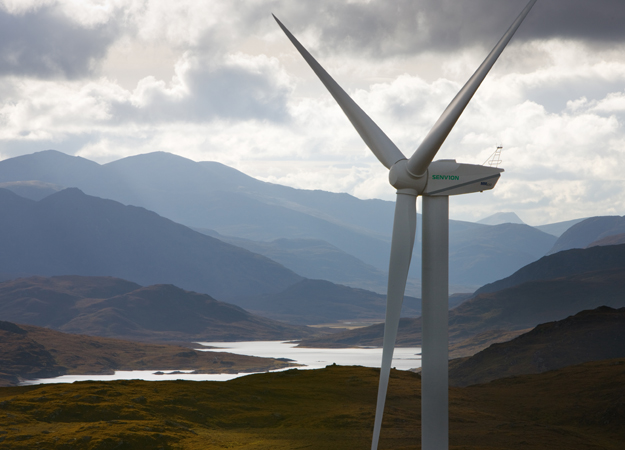
The construction of SSE’s 72MW Gordonbush wind farm has been linked to an 80% decline in local populations of a protected bird species in the far noth of Scotland.
RSPB said golden plovers at the site near Brora in Sutherland plunged during the first two years of operations at the 35-turbine site, “with these declines being markedly greater than on areas surrounding the wind farm”.
The bird charity, funded by SSE, studied the bird populations for five years before, during and after constuction.
Lead researcher Alex Sansom said: “Golden plovers breed in open landscapes and it is likely that the presence of wind turbines in these areas leads to birds avoiding areas around the turbines. This study shows that such displacement may cause large declines in bird numbers within wind farms.
He added: “‘It will be important to examine whether these effects are maintained over the longer term at this site and we should also use these detailed studies to examine the effects of wind farms on other bird species.”
RSPB Scotland head of planning Aedan Smith said: ‘We desperately need more renewable energy projects including wind farms to help tackle the causes of climate change. However it is vital that wind farms, like any development, are sited to avoid harming our most important places for wildlife.”
North Scotland conservation manager Kenna Chisholm added: “The new research suggests that the site is unlikely to be suitable for repowering when the current wind farm reaches the end of its life.”
Gordonbush features Senvion turbines and has been up and running since 2012.
Image: Senvion
SSE project linked to plover decline
RSPB study examines Gordonbush impact on protected species
 By EBS