A low-carbon electricity supply is the most cost-effective way to meet the need for more generation in the 2020s, according to the Committee on Climate Change.
In a new report, ‘Power Sector Scenarios for the fifth carbon budget’, the CCC has set out a range of future options to reduce the UK’s emissions from electricity in 2030. The evidence garnered will be taken into account when the CCC provides advice to the UK government on the fifth carbon budget on November 26.
The committee found that new investment in power generation will be needed in the 2020s, adding that supporting technologies such as offshore wind and carbon capture and storage will need support into the 2020s if they are to reach maturity.
It added that it believes power sector emissions of below 100 gCO2/kWh are an “appropriate aim” for 2030 with emissions estimated to be around 55MtCO lower than if investment in the 2020s was focused solely on gas, but said there will be an additional costs on bills from low-carbon investment in the 2020s from around £105 in 2020 to a peak of around £120 in 2030.
CCC chair Lord Deben said: “The key tools are already in place to deliver the investment in low-carbon generation that is required. The government must now urgently clarify the direction of future policy to ensure the power sector can decarbonise at lowest cost to businesses and households.”
Lord Turner of Ecchinswell (CB) added: “This report confirms what other recent analyses have also found, namely that the cheapest forms of renewable energy are increasingly cost-competitive with fossil fuels for electricity generation.
“But if the government wants to have a genuinely level playing field, it’s imperative that fossil fuel generators pay the full costs to society of their emissions, which can be accomplished simply by raising the carbon floor price. As the committee makes clear, this will also keep customers’ bills down, so it’s a win-win strategy for the Treasury.”
Industry has since reacted to the report, telling government they need to make clear policy for the future, or risk the climate change pledges it makes sounding “hollow”.
Scottish Renewables chief executive Niall Stuart said: “This report is just the latest in a series from independent experts which show that delivering on the government’s energy promises will require significant growth in renewables – and other low carbon generation – over the next 15 years.
“We would urge ministers to set out their own clear ambitions for renewables and how they intend to deliver those – or credible alternatives that will deliver the same levels of carbon reduction for a similar cost. If they don’t, they risk their climate change pledges starting to sound a little hollow as we build up to the global climate change talks in Paris next month.”
RenewableUK said the findings make a strong case for ramping up the deployment of wind, wave and tidal energy, and investing in it as a “national priority”.
Deputy chief executive Maf Smith said: “This assessment from the leading experts in their field shows we need a wide range of sources competing in the energy mix to keep costs down for bill payers – including onshore wind which is identified in the report as one of the best-value options of all energy sources.
“But the committee makes it clear that this success story can’t continue without a clear plan from government setting out how it will support the expansion of low-carbon energy in the next decade. So far the game plan only goes up as far as 2020, which is a short time away in terms of making energy policy.”
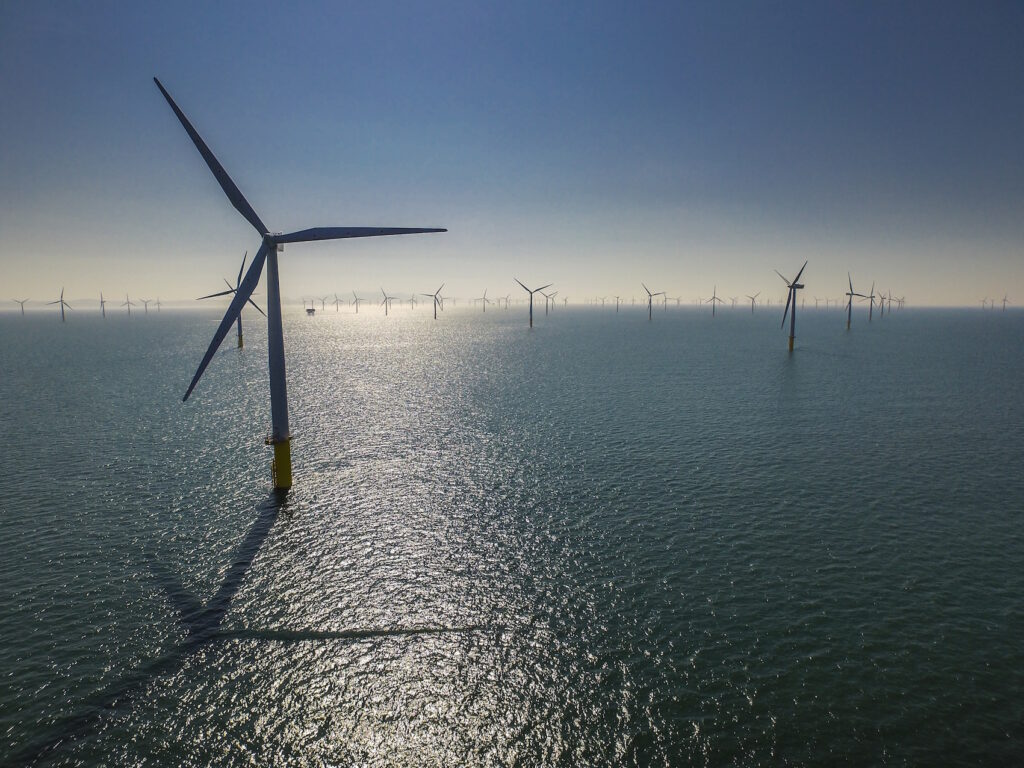
Image: government must continue to support offshore into the 2020s. Gwynt y Mor offshore wind farm (RWE)
Renewables ‘a must’ for future
Industry supports new CCC report which calls on government to do more
 By EBS