


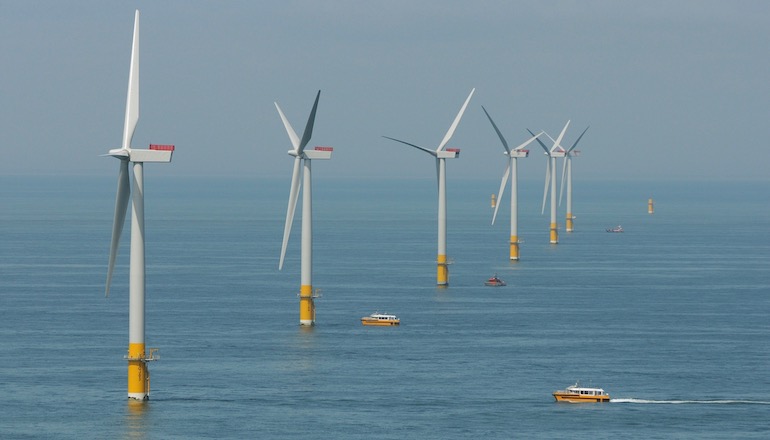
Global marine consultancy ABPmer has published a white paper that explores and considers compensatory measures that might be required to offset impacts from UK offshore wind farms on Natura 2000 rules.
ABPmer said offshore wind expansion in UK waters is increasingly encountering problems in demonstrating compliance with the EU Birds and Habitats Directives, which provide protection to Europe’s most important wildlife sites and form part of the Natura 2000 network.
Large-scale expansion of offshore wind may not be able to demonstrate with certainty that adverse effects on the integrity of European sites will be avoided, particularly in relation to cumulative effects on some seabird species, such as kittiwake, razorbill and gannet, it said.
ABPmer business development director Stephen Hull said: “For projects to proceed, developers will need to demonstrate that their proposals meet Article 6(4) before they can be granted approval.
“The strict tests of Article 6(4) only provide for projects to proceed where there are no less damaging alternatives, the projects are necessary for imperative reasons of overriding public interest and that compensatory measures are provided to fully offset the damage.
“While Article 6(4) has not yet been applied to offshore wind projects, there are lessons to be learned from applying these requirements to other marine developments.
“We have prepared this White Paper to help offshore wind developers understand and meet the requirements of Article 6(4).”
The white paper can be found here.