


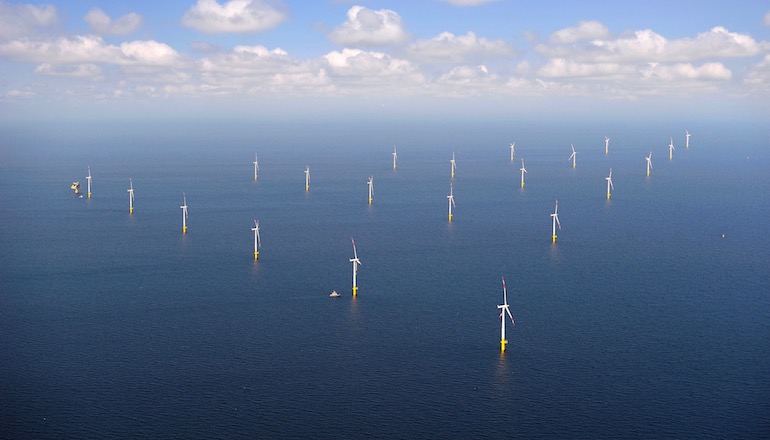
The transmission system operators (TSOs) of eight countries bordering the Baltic Sea have issued a joint call for increased cross-border co-operation in the field of offshore wind energy and associated grid infrastructure.
The potential for energy generation in the Baltic Sea is around 93GW, compared to less than 5GW installed capacity today, and the TSOs are keen to bridge the gap.
A paper published by the electricity grid operators from Denmark, Estonia, Finland, Germany, Latvia, Lithuania, Poland and Sweden, was presented to the minister meeting of the Baltic Energy Market Interconnection Plan (BEMIP) in Warsaw.
The aim of the co-operation between the grid operators – the so called Baltic Offshore Grid Initiative – is to develop a joint roadmap to generate more offshore wind energy in the Baltic Sea and to make it available to the respective markets as efficiently as possible.
Questions of safety and protection of the maritime infrastructure play a vital role.
Given the increasing number of expected offshore wind projects, the Baltic Sea region could become more attractive for industrial investments into manufacturing sites and has the potential to generate many jobs across the value chain.
The paper is based on the Vilnius Declaration which was signed by the governments of the Baltic Sea Region on 10 April 2024 and which was linked to a clear mandate for the TSOs to strengthen regional co-operation.
At that time, the Baltic Sea countries had set an offshore capacity of 26.7GW by 2030 as a target, and almost 45GW by 2040.
In the paper, the TSOs analyse the potential for a number of electricity connections between EU member states and illustrate these options in a Baltic Sea grid map.
The paper also examines whether the planned offshore wind farms may have wake effects and thus a loss of performance; how significant financing requirements can be secured with a fair cost-benefit share in view of rising project costs, and how bottlenecks in supply chains can be jointly mitigated through standardisation and co-ordinated scheduling.
Against this backdrop, the TSOs propose a whole range of measures, including regional planning more closely co-ordinated between the states and the TSOs along the lines of the Nordel Master Plan; the mobilisation of private investors, and targeted EU funding for projects.