


The Belgian government has said it will focus on grid development, financing including the possible creation of an offshore investment bank, public participation and the supply chain when it takes over the rotating presidency of the North Seas Energy Cooperation (NSEC) from Denmark in January.
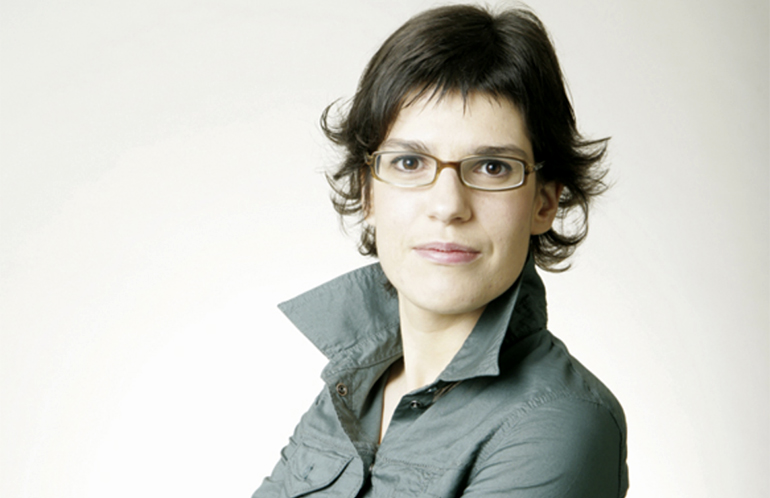
“This is the right moment for Belgium to take on this role,” said Minister of Energy Tinne Van der Straeten (pictured).
“The past year has provided the necessary tools and insights to further advance cooperation in the development of a meshed offshore grid in the North Sea.
“It is an honour for Belgium to assume the Presidency of the North Sea Energy Cooperation in 2025, following the foundations laid by the Danish Presidency.
“We will continue to unlock the immense potential of the North Sea to provide green, sustainable energy for Europe.
“Our focus will be on strengthening multilateral cooperation, harmonising standards, promoting public participation and integrating non-price criteria into tendering processes, while protecting biodiversity.”
During its presidency, Belgium said it will continue the groundwork laid by Denmark, focusing on unlocking the full renewable energy potential of the North Seas, strengthening European supply chains and industry, and advancing offshore green hydrogen projects. Preparations have already begun, with a dedicated programme and cooperation agreements with German partners, as the Belgian Presidency will support Germany in the preparation of the next North Sea Summit, which will take place in Hamburg in June 2025.
The Belgian Presidency added it will also build on the recommendations of the Draghi and Letta reports and closely follow the Clean Industrial Deal to be launched by the new European Commission.
It added it will focus on several important fields:
Offshore grid development plans: Supporting the continued development of a robust offshore grid that will enhance energy security and sustainability across Europe.
Financing and de-risking mechanisms: Belgium said it will promote new financial structures, including the possible creation of an offshore investment bank to combine financial support with de-risking measures.
Public participation and biodiversity: Ensure the development of offshore energy infrastructure includes mechanisms for citizen participation and protection of marine biodiversity.
Supply chain and industry leadership: Belgium added it will work to maintain European leadership in offshore wind by strengthening the supply chain and improving coordination between governments, grid operators and private industry.
“Offshore wind is one of the key solutions for Europe to meet its green energy targets and the North Sea offers optimal conditions for its production,” said Van der Straeten.
“We look forward to working with our NSEC partners to build a resilient, interconnected, cross-border offshore grid.”
Belgium also emphasised the importance of multilateral cooperation and the harmonisation of standards, including non-price criteria, to improve the efficiency and scalability of offshore wind projects.
Van der Straeten added: “Together with our NSEC partners, we will build a resilient, interconnected, cross-border offshore grid that is crucial to meeting Europe’s climate ambitions.
“Our aim is to ensure that this green and affordable electricity from the North Sea directly benefits European households, making our energy transition inclusive and sustainable for all.”