


The German government has rejected a proposal by the influential Bundesrat federal council to introduce Contracts for Difference for upcoming offshore wind projects.
Berlin said its so-called second-bid component model, which includes a dynamic phase of multiple bidding rounds for the right to develop a site, will reduce grid charges and “relieve” electricity customers.
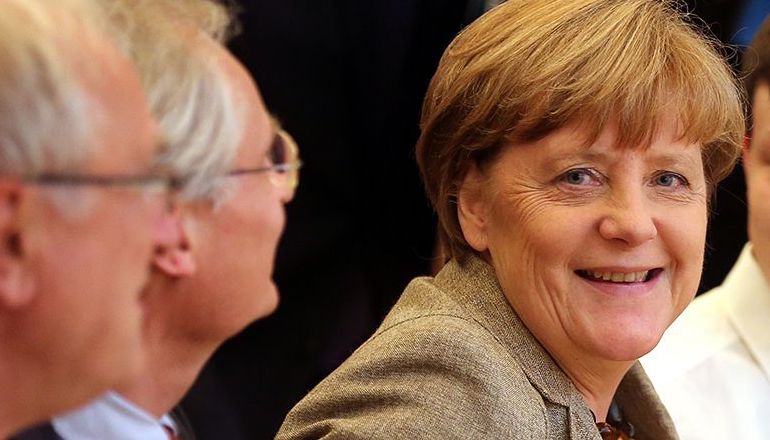
The administration, led by Chancellor Angela Merkel (pictured), also said its auction design will make it easier to differentiate between zero-cent bids.
The German cabinet released its statement in response to the Bundesrat’s request in July to drop the plan in favour of a CfD. Industry is largely in favour of the council’s stance.
“The Bundesrat…proposes to refrain from introducing the dynamic bidding procedure with a second bid component and to switch the support system to contracts for differences in the course of the 2020 amendment of the Renewable Energy Sources Act. The German government rejects this proposal,” said the government.
“The market-driven expansion of offshore wind energy is moving ever closer.”
In response, offshore wind association BWO said the second-bid component will not mean lower costs.
“On the contrary, several independent studies show that contracts for difference are clearly the better choice here and would reduce the electricity production costs by around 30 percent compared to the second bid component,” said managing director Stefan Thimm.
“In addition, manufacturers, large parts of industry and the financing banks as well as politicians support the demand for contracts for differences. It is simply incomprehensible to me that the federal government is still sticking to a demonstrably less advantageous model.”