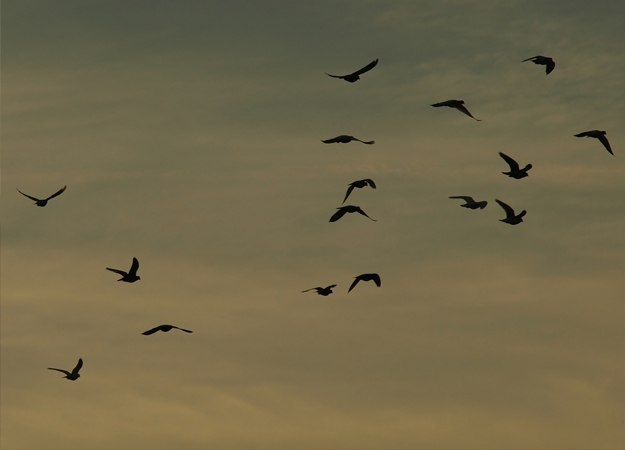
New research has identified Scotland’s coastal waters as some of the most important areas for seabirds, providing information that could useful in the development of offshore wind farms.
The RSPB report, carried out in conjunction with several UK universities and research institutions, used GPS-tracking and computer models to map where breeding seabirds go when they leave land to feed.
It used five years of tracking data to estimate the areas used by kittiwakes, shags, razorbills and guillemots.
RSPB conservation scientist and lead on the tracking work Ellie Owen said: “The methods used in this study could be applied to other seabird species, to show where they go at sea.
“This will be an invaluable tool in helping to protect seabirds, as it will greatly improve our ability to assess the likely impacts on breeding seabirds of offshore wind farms, oil spills and other potentially harmful activities in our increasingly industrialised seas.”
Image: sxc
Bird study offers offshore insight
RSPB report finds Scotland's coastal waters are ‘hotspots' for seabirds
 By EBS