


The Bureau of Ocean Energy Management (BOEM) has released the draft Environmental Impact Statement (EIS) Avangrid’s Park City and Commonwealth Wind projects.
Collectively called New England Wind, the two projects are based offshore Massachusetts and have a proposed combined capacity of over 2000MW.
Park City Wind represents the 804MW first phase of the project, due in 2026. Commonwealth Wind is the second phase, with a capacity of 1232MW.
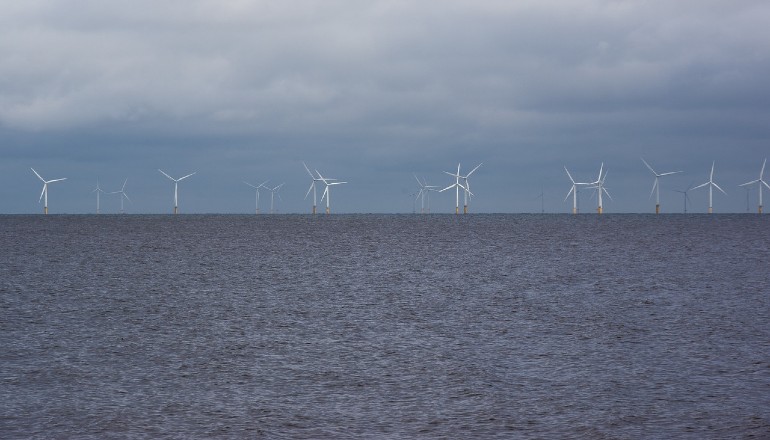
Combined, the projects will have up to 129 wind turbines and up to five offshore electrical service platforms with a total of five offshore export cables.
The onshore components of the project will include up to three export cable landfalls in Massachusetts (one for Phase 1 and up to two for Phase 2) and up to three onshore substations: one in Barnstable, Massachusetts, for Phase 1 and up to two in Barnstable or Bristol County, Massachusetts, for Phase 2.
Once the notice of availability is published in the Federal Register on 23 December, 2022, a 60-day public comment period will open.
In a statement, Avangrid said that it “welcomes the Draft Environmental Impact Statement issued by BOEM, and is pleased that the BOEM has identified the environmental impacts and benefits of the project in a clear and consistent manner, which marks a pivotal step toward bringing these projects to the New England region.
“The release of the DEIS is yet another milestone marking the strong forward momentum of the projects, and as New England confronts both the energy and climate crisis, we recognise the urgent need to continue moving through the federal permitting process and bring this critical power to the grid to help the region meet its collective, ambitious clean energy and climate goals.
“As a leading sustainable energy company strongly committed to the US energy transition, we are heartened by the clear forward momentum behind the projects, and remain focused on delivering these urgent solutions to Massachusetts and Connecticut, creating thousands of jobs, and accelerating the nation’s transition to a better, brighter clean energy future.”