Denmark is offering a ‘how to’ guide to reduced costs on offshore wind based on the country’s experience with the industry over the last 25 years.
The Danish Energy Agency report ‘Danish Experiences from Offshore Wind’ outlines “key learnings” that in particular support its government-led tendering approach.
The report pointed out that prices for offshore “may be driven down by preparing and providing the preliminary surveys to the investor”.
This will allow the investor “to know the site intimately before planning the actual project” and allow for calculation of “a cost price rather than an estimated price of production”.
DEA officials said countries should also “consider establishing a one-stop shop for investors, planners and contractors, i.e. providing one primary government entry point”.
Markets can also benefit from having all environmental works completed before bids are tendered, “so that designated areas are ready with limited risks for investors and developers”.
It said: “The advantage is that the time when the price is calculated is very close to the time of contracting with the sub suppliers. The risk of price volatility in the market is thus significantly reduced.”
Finally, the DEA said it is important to provide a grid connection that is in place before a wind farm goes live so there is no gap between the end of construction and meaningful production.
The so-called ‘Danish model’ has been adopted, or is being developed, in a variety of forms in markets including the Netherlands, France and Germany.
The report in English is available to download as a PDF from the DEA.
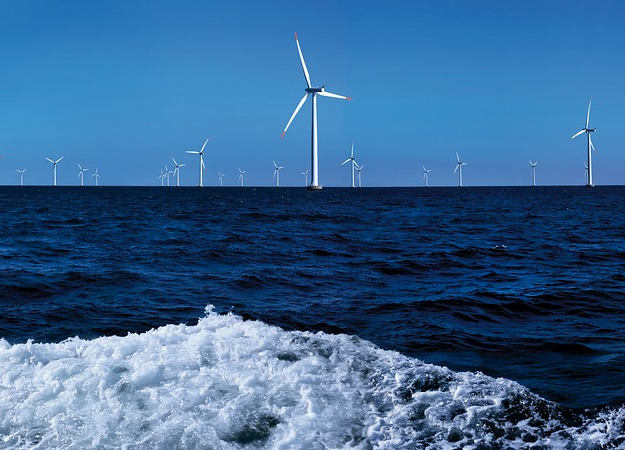
Image: the Rodsand wind farm (Grontmij)
Danes share cost-cutting ‘how-to’
Tendering approach developed over 25 years key to offshore savings
 By EBS