


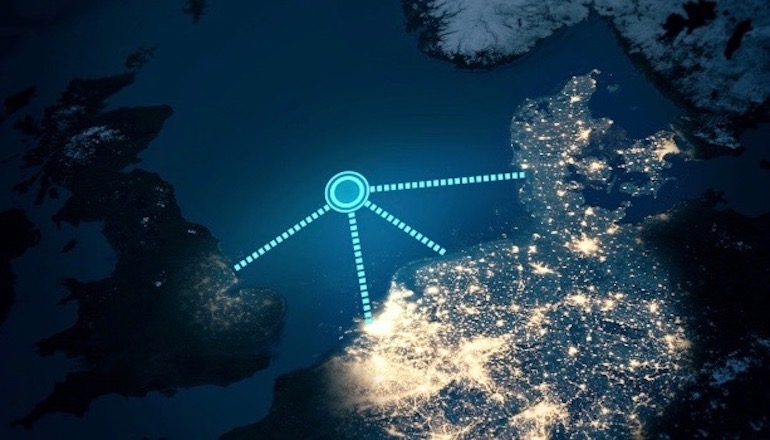
The Technical University of Denmark is leading a project to develop new solutions to reduce failures during the collection and distribution of electricity from offshore wind farms via energy hubs.
The university said the multiDC project aims to develop intelligent, digital solutions for controlling long distance power flows in order to avoid blackouts and severe failure.
The project is also looking into how to design the power flows in the Nordic grid with connections to Europe.
Technical University of Denmark associate professor and multiDC project manager Spyros Chatzivasileiadis said: “When we get the energy hubs in the North Sea, we will have even more HVDC lines and connection points in the Nordic grid, which must be controlled and coordinated.”
In addition to a greater number of HVDC lines and connection points, the energy islands have to be in balance so that blackouts will not occur on the islands themselves, the university said.
This is important as they – in conjunction with the connected offshore wind farms – will function as gigantic power plants in the future, it added.
Peak week day energy demand in Denmark is between 5pm and 8pm when consumption reaches 5-6GW, said Chatzivasileiadis.
“Each of the planned energy hubs will be able to integrate 10-15GW of wind energy into the electricity grid.
“Imagine we lost one of these hubs due to power failure. Denmark could suffer a complete blackout. We are working to prevent this at any time,” he said.
The project is also working to achieve even better control of the power flows in the high-voltage lines connecting to neighbouring countries.
Countries can exchange the reserves that are available in each country to help the grid prevent imbalances and power failure, the university said.
Chatzivasileiadis said: “It can be a measure to safeguard against blackouts. The neighboring countries can immediately help each other to balance consumption and production.
“This will significantly reduce the cost of operating the power system, as you can share the reserves and have a common emergency response.
“With intelligent, digital control and coordination methods, Denmark can also save many millions of Euros a year in the Danish electricity system by taking into account the energy losses that arise when dealing with energy across national borders via foreign connections.
“This requires advanced market algorithms, which the researchers at DTU have developed in the multiDC project.
“In this way, those responsible for the losses will pay, instead of the bill ending up with the Danish system operator and thus the Danish electricity consumers.”