


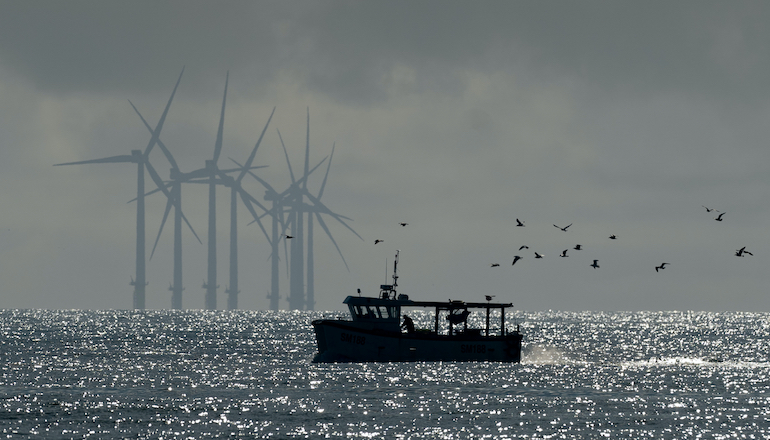
Brisbane-headquartered offshore wind developer Orchid Energy is investigating the potential for a multi-gigawatt portfolio of fixed and floating offshore wind projects off Queensland.
While Queensland is yet to be nominated as a region suitable for offshore wind development, Orchid Energy said it believes offshore wind is a “feasible option” for balancing the spread of onshore clean energy projects and a “robust means” of contributing to the Queensland Government’s target to deliver 22GW of new renewables capacity by 2035.
Orchid Energy’s plans are focused on three priority projects suitable for deployment of large-scale offshore renewable energy generation.
These consist of two offshore wind projects off the coast of Gladstone, of up to 6GW collectively and a 4GW floating wind energy project approximately 30 km from shore off south-east Queensland with good proximity to the Port of Brisbane.
Chief Executive Officer, Clint Purkiss, said “We’ve been working for the past 18 months to identify appropriate sites to host quality offshore wind projects and contribute to Queensland’s energy transformation journey.
“Projects in these proposed locations would deliver significant energy security and reliability for energy consumers and help lock in the volume of gigawatts needed to reach Queensland’s ambitious clean energy targets.”
Purkiss said the “urgent need” to increase the proportion of renewable energy in the Queensland energy system had warranted consideration of a broad spectrum of technical and social considerations.
“It’s been prerequisite for us that all options for the development of offshore wind are genuinely sustainable, to provide diversity to onshore generation and storage, to protect our world-class environmental assets and to simultaneously drive massive growth of key industries including the resources, manufacturing, ports and fuel export sectors,” he said.
Orchid Energy is working through detailed technical and environmental analysis of potential project constraints and design options to ensure projects “coexist” with existing marine users and environments – including the Great Barrier Reef.