


Landinfra Energy is taking the next step in its offshore wind power development by initiating the consultation process for three projects, Baltic Edge, Slite and Sundsvall.
The three offshore wind farms are expected to have a total installed capacity of just over 3GW, which corresponds to around 10% of Sweden’s electricity consumption.
Landinfra is now initiating the consultation process for the projects.
Baltic Edge is located south-east of Blekinge in Sweden’s exclusive economic zone, Slite in the territorial waters east of Gotland and Sundsvall in the territorial waters and exclusive economic zone east of Sundsvall.
Landinfra has earlier initiated the consultation process for the Falkenberg-Halmstad project in Kattegat.
As part of the consultation process, the formal permitting process for the offshore wind farms will also begin, where Landinfra, in collaboration with authorities and stakeholders, will determine how the development of the schemes should proceed.
A key aspect will be deciding what investigations and assessments are needed for environmental evaluation and permitting, a process expected to take around three years.
Additionally, Landinfra is exploring the potential to develop land-based production of hydrogen and electrofuels in connection with its offshore wind projects.
This could help local industries and the transport sector phase out fossil fuels, while also creating local jobs.
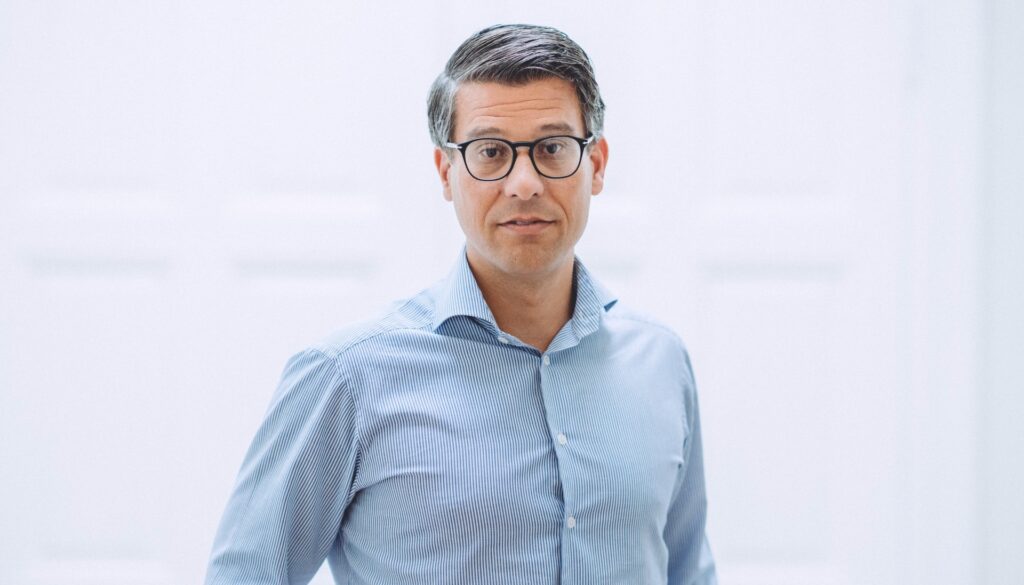
“Our projects will increase the supply of renewable energy at a competitive cost, driving the green transition and ensuring that industry gets the energy Sweden needs,” said Landinfra chief executive and co-founder Marcus Landelin (pictured).
The three projects are part of a larger portfolio of offshore wind schemes Landinfra is developing.
The sites are spread along Sweden’s coastline, including in the North, Baltic and Bothnian Seas.
Landinfra aims to bring several of these projects to realisation by around 2030.
The company said it has therefore focused on areas that allow for bottom-fixed foundations, have good grid connection potential, and thus enable competitive electricity production costs.
“By developing projects in different parts of the country, we meet the demand for more renewable electricity from various regions while also increasing the chances that several of our projects will be realised,” Landelin added.