


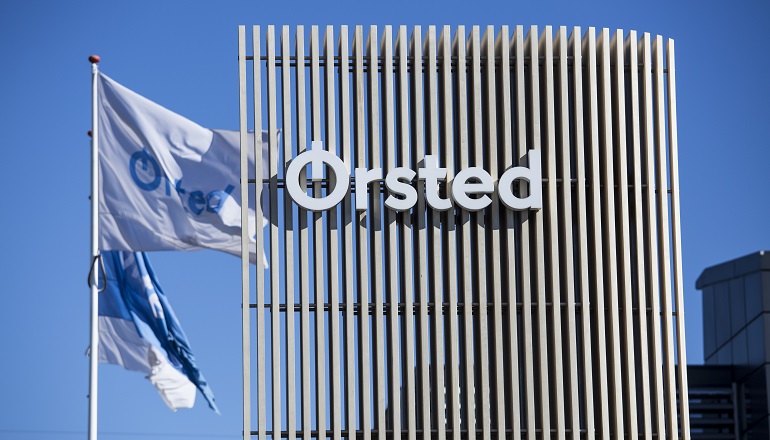
Orsted is to supply BASF with 186MW of electricity from the 900MW Borkum Riffgrund 3 offshore wind farm in the German North Sea under a 25-year fixed-price corporate power purchase agreement (CPPA).
The CPPA will help cover the increased electricity needs of low-emission technologies for BASF and is a step towards its ambition of becoming carbon neutral by 2050, the companies said.
Orsted has recently secured planning approval from the German Federal Maritime and Hydrographic Agency for Borkum Riffgrund 3, which is expected to go into full commercial operation in 2025.
The duo said the CPPA is a “tangible first step” for them to “look into where the interests of both companies can match in the future to support emission reductions in the chemical industry”.
Orsted said this is the longest CPPA for offshore wind ever announced and an important step in enabling it to take final investment decision on Borkum Riffgrund 3, which is expected towards the end of 2021.
Orsted chief executive Mads Nipper said: “In the common fight against climate change, it’s partners like BASF that will make the difference.
“The chemical sector has a challenging path towards decarbonisation, but it will also make one of the biggest contributions.
“For this reason, countries like Germany must respond to the enormous demand for renewable electricity by urgently making more seabed available for offshore wind projects and by increasing its ambitions for deploying large-scale renewable energy sources such as offshore wind power.
“Offshore wind in the North Sea and the Baltic Sea is an abundant source of green electricity that can be unleashed through clearer and more ambitious policies.
“With our vision of a world that runs entirely on green energy, we aim to further accelerate the build out of renewable energy and support partners like BASF in realising their climate ambitions.”
BASF chairman of the board of executive directors Martin Brudermuller said: “This supply agreement with Orsted is another important step in securing additional renewable energy for BASF.
“BASF wants to reduce its CO2 emissions by 25% by 2030 compared with 2018.
“To achieve this ambitious goal, we will have to replace large amounts of fossil energy with renewable energy within the coming years.
“Orsted can provide the required additional quantities through the construction of new wind farms to support us in our energy transformation.”