


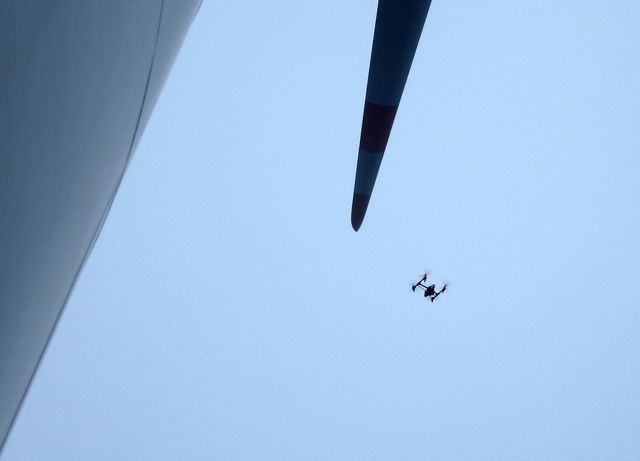
Helicopters and drones will become an increasingly important part of offshore wind development in the UK as projects become larger and are located farther from shore, according to a new report from RenewableUK.
R-UK’s latest Project Intelligence report shows that over 50% of consented offshore turbines across Europe are over 250 metres tall and all are located in UK waters.
The tallest operating turbines in Europe are currently 230 metres.
Additionally, almost three-quarters of the 10.5GW of projects in planning or competing for power contracts in the UK are in waters over 50km from shore, with the furthest 210km from the coast. The furthest operating project currently is 33km.
“As wind farms increase in size and are located further out into the sea, it is increasingly cost-effective to use helicopters and drone technologies to carry out vital inspection and maintenance operations,” R-UK said.
The industry group has also launched a second issue of its Offshore Renewables Aviation Guidance and new draft guidance on the use of drones in the clean power energy industry.
“The new guidance aims to ensure the safe use of drones and unmanned aircraft systems at wind and other renewable energy sites,” it said.
R-UK deputy chief executive Emma Pinchbeck said: “Upgrading our energy infrastructure brings huge benefits to our economy, creating new jobs and attracting investment to towns and cities across the UK.
“These reports show that the UK is at the forefront of innovation in offshore wind, investing in the largest, most modern turbines and increasingly using helicopters and drones.
“This is a huge opportunity for the aviation sector to capitalise on our world-leading industry.
“Offshore wind will be the backbone of our modern, clean energy system by 2030. As our sector grows, we are working with the aviation industry to draw on the decades of experience which established firms have to offer, as well as the latest drone technology, to operate the wind fleet efficiently and cheaply.”