


Dutch-German grid operator TenneT is calling for the acceleration of North Sea cross-border offshore wind for European energy independence and security.
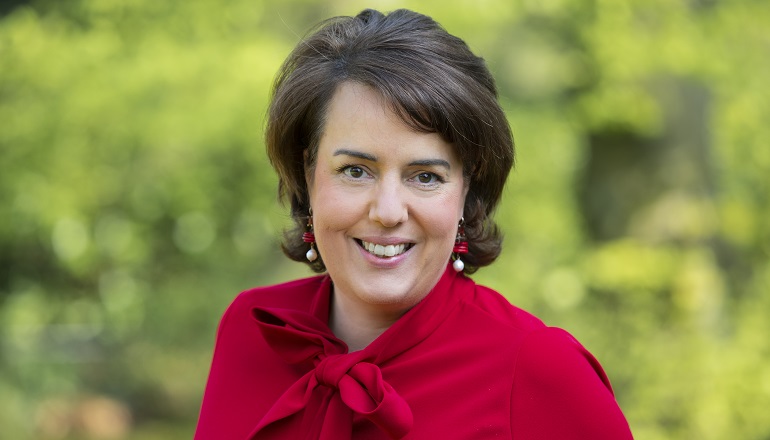
TenneT CEO Manon van Beek (pictured) spoke at the North Sea Wind Summit in Esbjerg, Denmark, where European Commission President Ursula von der Leyen presented the REPowerEU package to Heads of State from the four North Sea countries, Denmark, Germany, the Netherlands and Belgium.
“To reach the new very ambitious climate targets, we need even more cross-border cooperation in Europe’s energy markets,” van Beek said.
“We must use this opportunity today to boost our collaboration, as a group of like-minded partners.
“Together we can make the North Sea the powerhouse of Europe’s affordable, secure and green energy future. To succeed, we must take a fully international approach to the energy transition, working together with all the North Sea countries.”
The TenneT CEO said that the REPowerEU package sets important steps shortening and simplifying permitting processes for the deployment of renewable energy.
Grid infrastructure projects should benefit from same acceleration rules as renewable energy projects.
Van Beek said that to achieve this acceleration the important elements of the political framework “must fit together seamlessly”, referring to incentives for renewable generation, market design, security of supply and the building of infrastructure and the strategy for hydrogen.
Addressing the heads of government in Esbjerg, van Beek said: “Europe can maintain its leading role in offshore technology – one of the cheapest sources of electricity – if we ensure three things now.”
The first is setting a reliable growth path. This needs three commitments in terms of cross-border coordination on locations for new wind parks, roll-out schedules and reliable tendering schemes so everybody is empowered to invest in time, she said.
The second is speeding up cross border cooperation. The cross-border projects that underpin an interconnected offshore system “need to be a convincing investment case for everybody, also for offshore wind parks”.
Van Beek added: “Technically everything is possible but we also need the right incentives at EU and national level.”
The third is ensuring technical interoperability. High Voltage Direct Current technology is so new that the components of different suppliers do not work together properly, van Beek said.
“Today it is not possible to connect a converter stations supplied by different manufacturers.
“Together with other companies in the industry TenneT has developed a vendor-neutral standard for the next HVDC technology generation. We have urgently asked the EU Commission to support this by approval in short time.”