


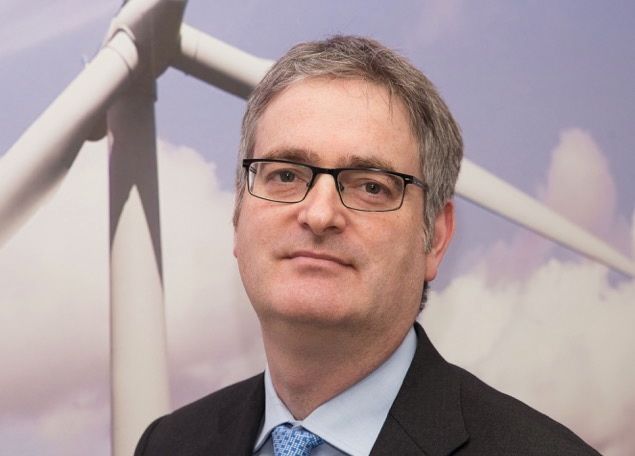
RenewableUK has said it is disappointed after the UK government delayed key consent decision on two major offshore wind projects off east England.
The trade body’s chief executive Hugh McNeal said London needs to “take decisions in a timely manner” to ensure offshore wind can play a leading role in getting the country’s economy back in gear following COVID-19.
McNeal was commenting after Energy Department BEIS on Monday delayed planning calls on the 2.4GW Hornsea 3 and 1.8GW Norfolk Vanguard projects by a month to 1 July. It is the second time the decisions have been pushed back.
“Any delay in the decision-making process is disappointing. We want to work with Government to achieve their ambition of 40GW of offshore wind by 2030 and the UK’s wider net zero target,” he said
“Major projects like these are vital to generate clean power on the scale we need to decarbonise our economy.”
Orsted meanwhile said it is also “disappointed” by the lack of a decision but is confident Hornsea 3 is a viable project.
“Climate change is a defining challenge of our time and there is an ever pressing need to act swiftly. With a potential capacity of at least 2.4GW, Hornsea 3 could be the world’s largest offshore wind farm, providing green electricity for well over 2 million UK homes and offsetting over 128.2 million tonnes of carbon dioxide over its lifetime,” said a spokesman.
“It’s important that momentum is maintained across the industry and we eagerly await the decision from the Secretary of State on July 1st.”
BEIS has not responded to a request for comment.
Vattenfall on Monday raised question marks over the UK government’s intentions for the offshore wind sector after the delay emerged.
The Swedish developer’s UK country manager Danielle Lane (pictured) said the 1.8GW Norfolk Vanguard has already addressed all “major concerns” during the planning process.
“Norfolk Vanguard is one of the most innovative and ambitious offshore wind projects in the world. Yet this is now the second time it has suffered a delay, despite addressing all of the major concerns raised during the planning process,” said Lane.
“Coming so soon after the decision on Norfolk Boreas was pushed back until October, the offshore wind industry will be left wondering about the government’s intentions for this sector.”
Lane said the country is in a race against time to reduce emissions and respond to the economic crisis caused by COVID-19.
“While we appreciate the added difficulties posed by the current lockdown, some of the largest engineering projects ever built – capable of providing clean energy security and a vital economic boost to the UK – remain in limbo,” she added.
“For every day that goes by without a decision, there are consequences for the next phase of the project, so it’s vital that there are no further delays.”