


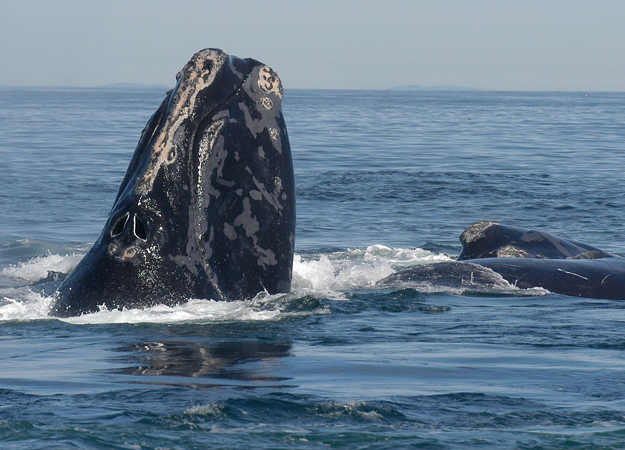
Vineyard Wind is seeking proposals from universities and technology companies for implementation of advanced passive acoustic monitoring systems (PAMS) to help safeguard critically endangered North Atlantic right whales.
The PAMS network will be deployed alongside transit routes to the offshore wind area located off the coast of Massachusetts.
The initiative is part of a broader effort to protect right whales during construction and operations of the 800MW Vineyard Wind offshore wind farm, which will be America’s first large-scale facility of its kind.
The initiative is a result of an historic agreement to protect the right whale between Vineyard Wind, the Conservation Law Foundation, the Natural Resources Defense Council, and the National Wildlife Federation.
The developer is seeking technology firms or academic institutions to provide PAMS that will detect the presence of the whales and transmit information in real-time to project staff so that enhanced protections can be effectively implemented.
The North Atlantic right whale ranks among the world’s most endangered whale species, with an estimated 410 remaining.
“Vineyard Wind has two goals with this initiative: First, to ensure best protections for the right whale as we go to build and operate the nation’s first commercial scale offshore wind farm,” said Erich Stephens, Vineyard Wind chief development officer.
“Our second goal, which is equally important, is to help place the emerging US offshore wind industry on track to deliver the substantial volume of clean, competitive cost energy that our nation needs while expanding protections for this highly endangered whale.”
National Wildlife Federation offshore wind energy programme director Catherine Bowes said: “We’re very excited about the precedent-setting commitments that Vineyard Wind has made to protect right whales, and look forward to continuing our work together on this and other initiatives needed to advance responsibly developed offshore wind projects in the Atlantic.”
The advanced acoustic detection systems provided through this initiative will also allow neighbouring wind project developers to receive information about the presence and location of whales.
The information gathered is also expected to be useful to scientists studying the right whale and other marine mammals, as well as help other mariners avoid impacts on right whales.
Vessel strikes and fishing gear entanglement are widely reported as being the leading causes of right whale mortality.
Vineyard Wind will also curtail turbine construction during the winter and early spring months when the North Atlantic right whales are in the vicinity, and will be deploying measures to reduce underwater noise during installation of the turbine foundations.