


The challenges and risks that project developers have in acquiring finance for floating wind farms will be just one of the areas under the spotlight of a three-year collaborative research project launched by global energy consultancy Xodus Group.
The ‘Improving the Bankability of Floating Offshore Wind Projects’ study also includes the Universities of Edinburgh, Strathclyde and Exeter as well as the Scottish Association for Marine Science.
It will develop a methodology to use floating lidar data for bankable energy yield assessments, as well as explore the impacts of floating structures on modelling wind resource and incorporating the impact of met ocean conditions on site considerations.
Xodus is issuing an open call to developers and technology suppliers to engage with the study from the outset.
“The project will be key to ensuring floating wind can be a serious contender in the energy mix going forward and will result in a tool designed to assist in key decision making for floating offshore wind projects,” Xodus said.
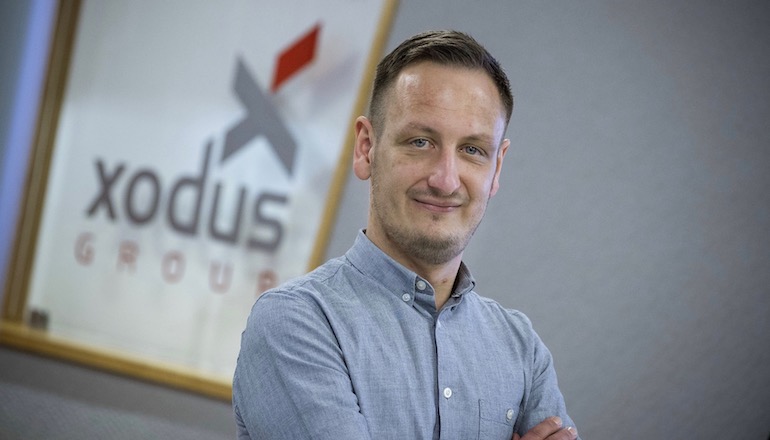
Xodus renewables division manager Scott Hamilton (pictured) said: “We have a strong track record of engaging with leading academic research and are proud to be leading this collaborative project in floating offshore wind.
“It’s important for us to be investing in future skills that the industry needs.
“We are openly inviting developers to engage with us on this project from the outset, and we expect the outcomes to provide much needed innovative research in this area and deliver benefits to the wider wind industry.”
The project is part of the Idcore programme, which addresses future challenges to develop leading technologies and train world-class scientists and engineers essential for the UK to sustain its global status in the ORE sector.
With support from Xodus’ technical team, the research will be carried out by Ben Smith, a graduate from University College London.