


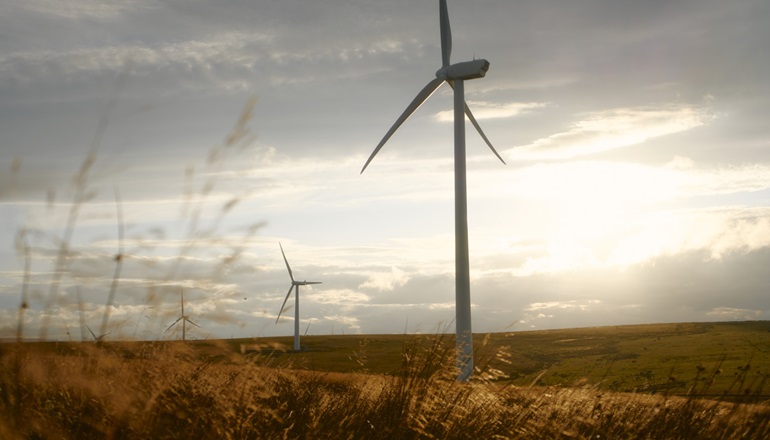
Scottish Ministers have refused planning permission to CWP Energy’s 432MW Scoop Hill onshore wind farm in Dumfries & Galloway following a public inquiry.
Appeal reporters examining the application recommended the refusal on landscape and visual impact grounds, stating these would “extend beyond what could be considered as localised” and were not “adequately mitigated through the design of the wind farm”.
Effects on the Eskdalemuir seismic array were also determined to be “unacceptable”.
CWP Energy submitted a technical proposal during the planning process to mitigate the seismic noise impacts of the wind farm the facility, which is used to detect nuclear explosions under the Comprehensive Nuclear Test Ban Treaty.
However, the Ministry of Defence did not accept the solution, stating it would “not deliver the hypothesised improvement in the array’s detection capabilities … or significantly reduce the seismic ground vibration generated by turbines recorded at the array”, according to paperwork.
Further time to gather data was requested by the developer but the examiners decided additional delay to the public inquiry process would be “inappropriate”. Consenting the scheme with a suspensive condition was also dismissed.
A subsequent request was made by the company last year following the close of the inquiry to consider alternative mitigation solutions, but officials decided against this move.
“Given the length of time that has passed since the application was originally submitted (in 2020), the uncertain timescales involved, the position of the MoD and consideration of the reporter’s overall conclusions, Scottish Ministers do not consider that it would be either appropriate or proportionate to re-open the public inquiry or further delay the determination of this application,” the government stated in its decision.
CWP Energy managing director Rod Wood said: “It’s a disappointment that a £1bn investment from a UK business has been turned down without any tangible engagement from both governments.
“Great claims are made about creating a pro-growth environment and encouraging investment in infrastructure to reduce bills for consumers.
“Post-Brexit, investors had hoped for a more pro-business and pro-growth environment that creates jobs and a future. This refusal is a case in point that blockers remain at the heart of government, and nothing’s changed.”
Scoop Hill was slated to feature 60 turbines with tip heights ranging between 180 metres and 250 metres.