


The European Technology & Innovation Platform on wind energy (ETIPWind) has launched its new research agenda for the period from 2025 to 2027.
The Strategic R&I Agenda calls for €1.8bn of public investment in wind energy research and innovation to boost the development of a resilient, competitive and sustainable European wind supply chain.
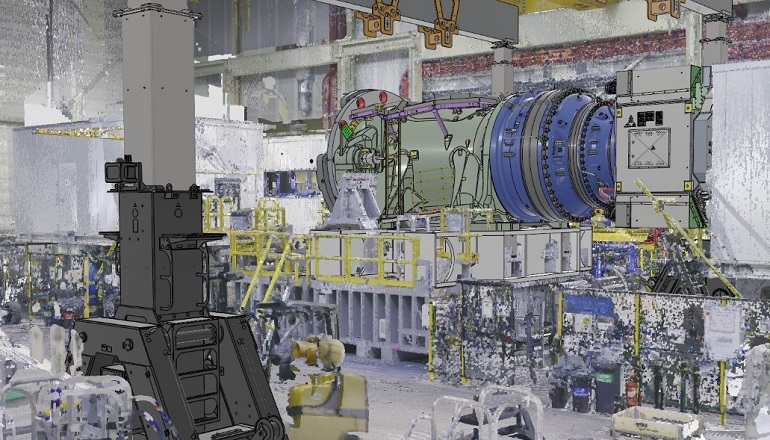
On 4 December wind industry CTOs, wind energy experts and policymakers met at the ZF Wind Power factory in Lommel, Belgium to present the new ETIPWind Strategic R&I Agenda (SRIA).
The agenda builds on the work of 190 industry experts and the research community.
The EU wants 420GW of wind energy by 2030, up from 205GW today.
To deliver that the European Commission recently launched the Wind Power Package, setting out 15 actions to strengthen Europe’s wind energy industry.
To deliver the 2030 targets, the industry needs to expand its European manufacturing capacity, recruit and train an additional 200,000 workers, and continue to lead on sustainability and happy coexistence with society and nature.
The ETIPWind Strategic Research and Innovation Agenda supports five priorities.
They are to accelerate the industrialisation and restore the competitiveness of the supply chain, optimise and further digitalise asset O&M, achieve a faster and wider wind energy system integration, develop a sustainable and circular wind energy supply chain and attract a skilled workforce and ensure a happy coexistence with society.
Bernd Biervert, Head of Unit in DG Research & Innovation at European Commission, said: “The ETIPWind’s Strategic R&I Agenda is a very timely and valuable input for the European Commission in the co-creation process of the next Horizon Europe Work Programmes.”
Johan Hanssens, Secretary General for Economy, Science & Innovation at the Flemish Ministry of Economy, Innovation, Work, Social Economy and Agriculture, added: “Transformative Innovation towards sustainability relies on close cooperation between policy makers, academia and industry.
“The proposed ETIPWind’s R&I Agenda will help to align the visions between the actors and to design better policies.”