


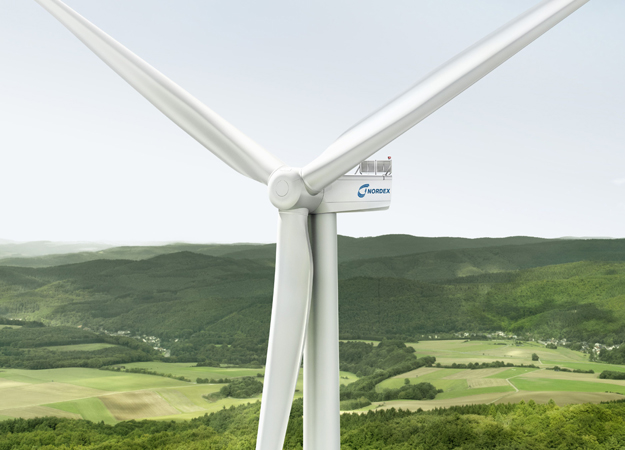
Octopus Energy and RES are building a 11.4MW wind farm on a disused US airbase near Prüm in west Germany.
The site close to the Luxembourg and Belgium border will consist of two large Nordex turbines and produce enough energy for 13,500 homes, the equivalent to planting 100,000 trees, or taking 110,000 petrol cars off the road. Construction has already started and the project will become operational in 2024.
Octopus entered Germany’s renewable generation market last June. It now manages over 100MW of onshore wind farm projects across the country, which will generate enough clean power for 100,000 homes.
The company already has several more deals in the pipeline to boost its German generation footprint over the next few months.
Octopus acquired the wind farm from the project developer RES, the world’s largest independent renewable energy company. This is the first deal for Octopus and RES in Germany, which already have a strong partnership in the UK.
RES is building the wind farm and will help manage operations under a 20-year contract, closely working with landowners, communities and the municipality. The company has been active in the German renewables market for 10 years, developing, constructing and operating wind and solar projects to drive the energy transition, with a pipeline of over 1GW of renewable energy projects.
As Europe’s biggest wind market, Germany built 2.4 GW new onshore wind last year – more than any other European country. Onshore wind makes up 17% of Germany’s electricity mix, with Government targets to rapidly ramp up capacity by 10 GW a year from 2025.
“We’re hugely excited about Germany’s renewables market, and we’ve quickly gone from zero to four wind projects in less than a year,” said chief executive of Octopus Energy Generation Zoisa North-Bond.
“We’re looking to rapidly turbocharge the German ‘Energiewende’ so those wanting to build more wind and solar in Germany should get in touch with us,” added North-Bond.
RES EMEA chief executive Rachel Ruffle commented: “Germany continues to lead the way onshore wind showing how a supportive policy direction and collaboration can positively shape the pace of deployment. Delivering more onshore wind will always be a win-win situation – greening our energy mix with cheaper generation and bringing inward economic investment to local areas.”