


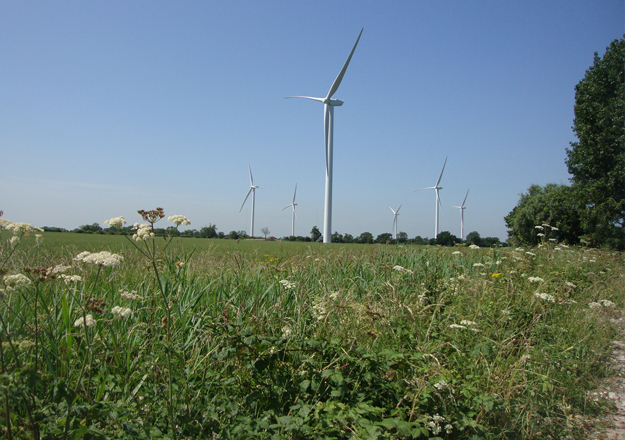
Future onshore wind developments in the UK could save consumers £50 a year, according to a new report commissioned by RenewableUK.
Independent analysts Vivid Economics carried out the ‘Quantifying the economic benefits of onshore wind to the UK’ study, which showed increasing the country’s onshore capacity to 35GW by 2035 from 13GW now, instead of building new gas plants, would deliver a 7% saving.
The Committee on Climate Change report on reaching net zero emissions in the UK released last month suggested raising onshore capacity to 35GW.
Vivid Economics also showed that if 35GW was deployed the onshore sector would nearly triple employment, supporting 31,000 jobs by 2035 with 14,000 directly employed in the industry – up from 5300 now.
The jobs would be created throughout the UK, lifting productivity in areas that need it most, particularly in Scotland, Wales and Northern Ireland, it added.
The study indicated that the UK supply chain could capture £360m of the global onshore wind market by 2035, supporting 3700 jobs.
But, the report said, onshore wind faces multiple barriers today, including exclusion from government-backed contracts to generate power and strict rules governing the construction of projects leading to a decline in planning applications since 2015.
The study said “these barriers have increased uncertainty in the project pipeline, reducing investment in the UK-based supply chain”.
RenewableUK deputy chief executive Emma Pinchbeck said: “Now that the government has announced that it will set a legally binding target to reach net zero emissions by 2050, it needs to make use of the cheapest technology to get there – and to do so swiftly, as people are demanding immediate action on climate change.
“They also want lower electricity bills in the decades ahead, and skilled jobs. Onshore wind is treated as the Cinderella of energy policy by government but in reality, it should be their Fairy Godmother – one of the few technologies that can grant all of these wishes.
“The government’s climate advisers are also recommending more onshore wind because it’s part of the cheapest route to net zero emissions by 2050.
“Now is the perfect time for ministers to take a fresh look at this key technology and dismantle the barriers which are preventing us all from benefiting from it in full.”