


SSEN Transmission has published an updated North of Scotland Future Energy Scenarios report outlining potential electricity generation and demand needed to meet UK and Scottish net zero emissions targets.
The report is based around three scenarios to provide an outlook to 2050.
Within the Green Economy scenario the FES envisages generation capacity growing from 7.8GW in 2019 to 33,620MW in 2050.
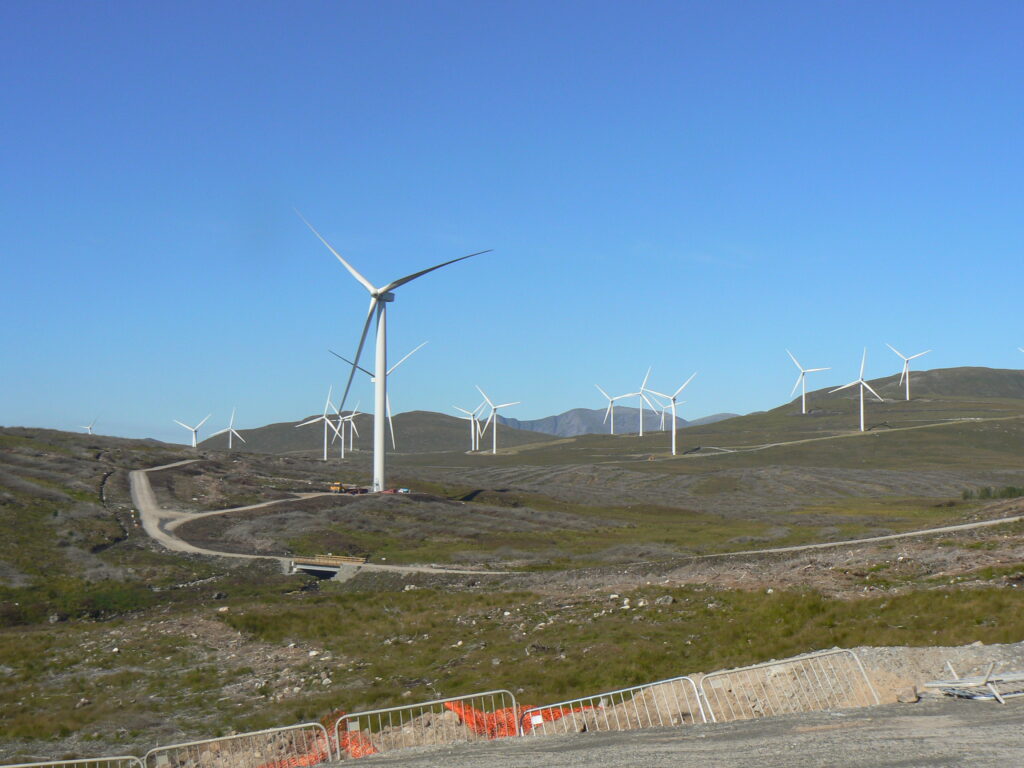
By 2050, onshore wind has the largest share of generation capacity at 11,897MW.
Offshore wind grows to 11,348MW by 2050 due to successful outcomes from ScotWind leasing rounds.
Pumped hydro will reach 2046MW with hydro (river run) reaching 1672MW by 2050.
Solar and Interconnection capacity rises to 1570MW and 1400MW respectively by 2050.
Other generation capacity, 1041MW of battery storage and 247MW of tidal will be connected by 2050.
The Green Economy scenario identifies 2041 as the first year where all generation connected to the transmission network will come from renewable sources.
Responding to the FES report, Morag Watson, director of policy at Scottish Renewables, said: “The north of Scotland is already at the heart of our renewable energy story, with its winds, rainfall, long daylight hours, forestry resource and tides all providing the energy we need to run our lives sustainably.
“This report shows the potential for that contribution to increase in future, bringing with it the economic and environmental benefits Scotland will need if it is to meet its net zero target.”